• About
  • Indiana Wineries
  • Michigan Wineries
  • Wisconsin Wineries

Howard W. Hewitt

~ … The "W" stands for wine!

Howard W. Hewitt

Author Archives: Howard

Investors not all bad for small wineries

05 Saturday May 2018

Posted by Howard in Newspaper Column 2018, Oregon, Uncategorized, Videos

≈ Leave a comment

Tags

Alloro Vineyards, Don Hagge, Ghost Hill Cellars, Lenne Estate, Mike Bayliss, Oregon wine, Steve Lutz, Tom Fitzpatrick, Vidon Vineyards., Wayne Bailey, Willamette Valley, Youngberg Hill

Small Oregon wine producers have been leery of huge corporate investment in the Willamette Valley. But they also see a benefit for their strongest sales outlet.

grape-sense-logoThe investments from big producers like Kendall- Jackson and Louis Jadot makes competing for shelf space, distribution, and marketing opportunities difficult. But the big budgets also help bring more visitors to Oregon wineries. Real oenophiles love finding small, boutique producers when visiting any wine region.

“Being small and getting our wines out there in the market is our biggest hurdle,” said Mike Bayliss owner of Ghost Hill Cellars. “We’re seeing more competition from the bigger well-funded wineries, who make wine with volume and less expense and have more market dollars.”

Steve Lutz

Steve Lutz, Lenne Estate

Steve Lutz, owner at Lenne Estate, watched as Kendall-Jackson purchased Willikenzie Estate which is across the road from his small production winery. “I think that will bring more people to our location so I can’t complain,” Lutz said.

Wayne Bailey, who owns a beautiful inn and winery near McMinnville, Youngberg Hill, echoes the concept that big dollars bring more visitors. “It’s very exciting to have the big boys spending big marketing dollars on our region,” he said. “That awareness can only help all of us. Most wine tourists will tell you they prefer to discover small wineries that they are not familiar with (when visiting).”

Tom Fitzpatrick, winemaker and general manager at Alloro Vineyards, says the big producers have pushed Oregon Pinot Noir to the world stage. “This is tremendously beneficial for all of us,” he said. “This has created more crowding of Oregon wine in the sales pipeline. The hope is that the attention and the spotlight is widening the pipeline. In general, I look at it this way, the attention and dollars are coming because we have something truly great here. It was just a matter of time before this was discovered. Things that are truly great can’t remain a secret forever.”

Vidon Vineyards owner Don Hagge has struggled with distributors and selling all of his annual production. “I hope to get there in about a year or two,” Hagge said. “I have about two years of inventory counting unbottled wine.

“But I’m not concerned about big money much. There’s a market for wines from boutique operations that aren’t ‘factory wines.’ We have to exploit that big time, particularly with direct-to-consumer sales.”

Wineries realize the biggest margin, therefore profit, when distribution and retail sales are eliminated. A bottle of wine sold in the tasting room is all profit.

Mike & Drenda Baylis

Mike and Drenda Bayliss

The burgeoning success of all Oregon Pinot producers can lead to some of the smaller winery owners reconsidering their business model.

“Our production used to be much higher, around 1,500 cases,” Bayliss said. “Willamette Valley Pinot Noir fruit has become quite valuable so for the recent vintages we decided to sell the majority of our fruit.”

In 2017, Ghost Hill was down from 1,500 cases to 360 cases.

But there remains a strong market to explore the smaller wineries. Readers can google the wineries in this column and order directly from these small Oregon wine producers. There will be one more column focusing on the challenges and a bit about the wines.


Share this:

  • Click to share on X (Opens in new window) X
  • Click to share on Facebook (Opens in new window) Facebook
  • More
  • Click to share on LinkedIn (Opens in new window) LinkedIn
  • Click to email a link to a friend (Opens in new window) Email
Like Loading...

Small guys face distribution squeeze

26 Thursday Apr 2018

Posted by Howard in Newspaper Column 2018, Oregon, Uncategorized

≈ 1 Comment

Tags

Alloro Vineyards, Don Hagge, Ghost Hill Cellars, Lenne Estate Winery, Mike Bayliss, Pinot Noir, Steve Lutz, Tom Fitzpatrick, Vidon, Wayne Bailey, Willamette Valley, wine marketing, Youngberg Hill

When big companies invade boutique wine country with much bigger marketing budgets and resources, the little guy can feel squeezed out. Or, creative marketing and a changed paradigm could lead to more success.

grape-sense-logoOregon’s Willamette Valley has seen explosive growth in recent years in small and large wineries. But big investment from major players has an impact on the smaller wineries distribution and maybe even production.

In recent years Kendall-Jackson has purchased Willamette Valley vineyards: Penner-Ash, Willakenzie, Gran Moraine and Zena Crown. French icon Louis Jardot has bought in along with Chateau St. Michelle from Washington and Foley Wines from California. There are quite a few others.

As the quality of Oregon Pinot Noir continues to gain critical and consumer accolades, more small wineries are disappearing, and others are strategizing to find and hold market share. The bigger brands eat up the shelf space and dominate distributor’s selling efforts.

“We primarily sell out of our tasting room though we do distribute a small amount of wine in Colorado, Maryland and Illinois,” said Steve Lutz, owner of Lenne Estate near Yamhill, OR. Lenne produces about 1,600 cases of wine annually. “It is becoming increasingly difficult to find any distribution for small producers and not a very effective way to sell anymore.”

img_0209

Don Hagge

Some winery owners have simply given up or cut back on efforts to lure a distributor.

“I’m resigned to finding and working with a couple of distributors in niche markets to sell about half of my wine,” said Don Hagge, Vidon Vineyards. Vidon also produces around 2,000 cases annually. “We’re rolling out a new online system (called VinAlliance) this year that might help us and a few other small wineries.”

Hagge hopes the new alliance will allow consumers to buy wines almost like a wine club but from several different wineries on a regular basis.zpat

These small wineries depend on direct to consumer (DTC) sales for their success. “We had distributors in more than 20 states but last year scaled back to six,” Alloro Winemaker and General Manager Tom Fitzpatrick said. “It’s not difficult finding a distributor but it is difficult finding a distributor who can generate adequate sales. But they have their own businesses to profitably run just like us. Building brand awareness and recognition for a small unrecognized producer, in a crowded space, is expensive. Most distributors don’t seem to be able to do this.”

Alloro is the biggest of this group of winemakers at a modest 2,550 cases.

Experience, Fitzpatrick said, has told him that direct to consumer sales will probably always be 80 percent of his business.

Family Portrait

Wayne Bailey

Everyone has a website, and some are exploring the partnering options like Vidon. The challenge is to get a brand in front of the consumer. “Most of our wine is sold through our tasting room, wine club, and events,” said Youngberg Hill winemaker Wayne Bailey.  “Online sales are a big opportunity, but the current challenge is figuring out how to best reach potential customers or let them know you even exist. Even though you can ship to consumers in most states now, it is a very expensive and time-consuming process to gain and maintain the ability to ship into each individual state; making it almost impossible for small wineries to justify.”

The smallest of this winery group is Ghost Hill Cellars which produces less than 400 cases. Marketing is complex for such a small operation. “We have distributors who work with small producers but still even that is difficult,” said Ghost Hill owner Mike Bayliss. “We do online sales and a seasonal tasting room (April to November). Although we sell a good amount of our annual production we’re moving toward selling more grapes and making less wine.”

The upside of the investment by the wine world’s bigger players is additional attention. We’ll look closer at that benefit and at these winery’s wines in future columns.

Note: The next Grape Sense column keeps the focus on wine marketing and these small wineries.

Share this:

  • Click to share on X (Opens in new window) X
  • Click to share on Facebook (Opens in new window) Facebook
  • More
  • Click to share on LinkedIn (Opens in new window) LinkedIn
  • Click to email a link to a friend (Opens in new window) Email
Like Loading...

Fun comparing small-production Pinot

10 Tuesday Apr 2018

Posted by Howard in Oregon, Uncategorized

≈ Leave a comment

Tags

@allorovineyards, @GhostHillCellars, @lennewine, @vidonwinery, @youngberghillvineyards, Chehalem Mountains, McMinnville, Oregon wine, Willamette Valley, Yamhill-Carlton

There are lots of ways to enjoy wine with friends but when you want to add some twists and turns put the wines in a paper bag and try to identify or rank them.

Try a night of all one varietal or from different growing region. My small wine group, frequently referenced on this blog, has played about every wine game in the book and made a few others up.

Back in December three of us tasted three, small production, Oregon Pinot Noirs and ranked them. All three wines were from the much-praised 2014 vintage. Youngberg Hill‘s Natasha Block, Ghost Hill’s Prospector’s Reserve, and Alloro‘s Estate Riservata were the three Pinot Noirs. Alloro was our favorite. Here is that blog post.

Alloro

Tom Fitzpatrick, Alloro

All three tasters that night were pretty experienced wine drinkers and big Pinot fans. We repeated the exercise April 8 with a group of 8 regular wine drinkers. We had three wines from the same wineries but different bottlings: Youngberg Hill Jordan Block, $50, 87 pts Wine Spectator; Ghost Hill Bayliss-Bower Pinot, $42, 91 pts Wine Spectator; and Alloro Vineyards Estate, $35, 93 pts Wine Spectator. The marketing firm had sent me an additional small-production wine, Lenne Estate’s whereI have previously visited. We included the Lenne Estate Pinot, $45, 92 pts Wine Enthusiast, in our Sunday night tasting.


These four wines represented the Willamette Valley AVAs McMinnville, Yamhill-Carlton, and Chehalem Mountains.

We tasted the four wines, and made comment, in a random order. Then we reversed order and tasted again. I would describe the group as three very serious wine drinkers, including myself, who have consumed their share of Oregon Pinot, two more guys who have tasted great Oregon Pinot but probably not quite as geeky, and three guys who are new to the geeky side of wine.

We ranked the wines simply by personal palate preference. Lenne was a strong new entry to this round. When all was said and done, our bigger group picked Alloro as the clear cut favorite for the second time in a row. I might add the four new tasters didn’t know the results from our first effort. And another note, as the wine writer here, I agreed with the ranking both times. But it was tougher this last batch

Lutz

Steve Lutz, Lenne

Alloro and Lenne were the picks with seven winos picking one or the other as the best with Alloro having a fairly sizeable margin of victory. Ghost Hill picked up one first-place vote. Youngberg Hill was one of the wines most debated.


There are a couple points to be made here. First, my palate or any of my friends’ palates have nothing to do with your wine choices. If you like it, it’s great wine. But we all rely on recommendations, particularly from friends. Second, these are small to very small production wines and are not easy to find outside of Oregon with a few exceptions.

The bigger point might be if you travel to any wine country leave time on your schedule to seek out a few of the really small wineries. You’ll find great choices and those little guys really appreciate your business. Most personnel tasting room employees are anxious to share recommendations. I’ve found some great wine by asking “who else should I go see?’ in Oregon and Napa.

BLOGGER’S NOTE: I’ll have comment from all four of these winemakers, plus Vidon Vineyard’s Don Hagge, in a couple of upcoming newspaper columns. Of course, those columns are always posted here as well.


Share this:

  • Click to share on X (Opens in new window) X
  • Click to share on Facebook (Opens in new window) Facebook
  • More
  • Click to share on LinkedIn (Opens in new window) LinkedIn
  • Click to email a link to a friend (Opens in new window) Email
Like Loading...

Time to start stocking up on Rose’

06 Friday Apr 2018

Posted by Howard in France, Newspaper Column 2018, Uncategorized

≈ Leave a comment

Tags

French Rose, Provence, Provence Rosé, Rose', Summer sippers

If it’s spring it must be a column about dry Rose’. If you are still shunning the wonderful dry – and yes, pink – Rose’ wines from around the world you are the fool fellow winos.

grape-sense-logoRose’ is beyond hot in the wine sales market – it’s a rocket ship. From mid-2016 to mid-2017, Rose sales in the U.S. increased by 53 percent in volume according to BeverageDaily.com and Nielsen sales data. Rose’ represents less than two percent of all US wine sales but the growth is unprecedented in any category.

While it is difficult to get up-to-date sales figures, the growth of French Provence Rose’ – the category leader – is stunning. In February of 2016, Nielsen reported an increase in sales over the previous 12 months of 54 percent on volume and 60 percent on value.

The growth rates for imported Rose, which comes from a number of countries but is dominated by the French, is crazy. Rose’ sales have outpaced the rest of the imported market for more than 10 years. In 2016, Provence Rose’ held 64 percent of all imported Rose’ sales.

IMG_1254 (1)More than 160 Provence wineries are exporting the salmon-colored wines to the US. For more than a dozen years exports of French Rose’ have grown every years at double digit rates.
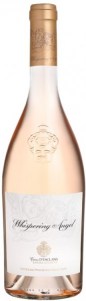
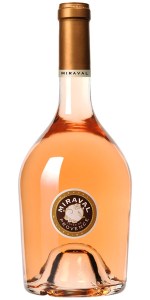
Two of the biggest selling French Rose’ wines are Chateau d’Esclans Whispering Angel and Domaine Miraval’s short, stout bottle with the backing of Brad Pitt and Angelina Jolie. Even these two best sellers come in at the mid $20 price point. It’s not unusual to see Whispering Angel under $20 down to $15 come end of the summer clearance – if there is any left. Several producer make several price levels of Rose’ with d’Esclans Garrus at the top of the pack at an average of $80 a bottle.

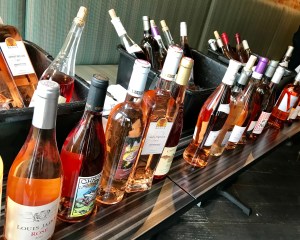
But if you’re not a Francophile there are plenty of Rose choices at home where quality is skyrocketing in the last couple of years. Oregon and California producers, particular those who grow Pinot Noir, have jumped into the booming Rose’ market. After attending a recent Rose’ tasting presented by one of Indiana’s biggest wine distributors, it’s easy to see the vast improvement in Rose’ of Pinot over past years.

But look around your wine shop for Rose’ wine from Spain, many of Italy, and Rose’ of Cabernet Franc, Merlot, Malbec.

It’s not just a summer sipper. Rose’ owns the summer and has eyes on becoming more a year around part of your wine shopping habits.

NOTE: Would you like some specific Rose’ recommendations? You’ll find a long lists of Rose wines Howard has tasted and recommends listed in the following post.


Share this:

  • Click to share on X (Opens in new window) X
  • Click to share on Facebook (Opens in new window) Facebook
  • More
  • Click to share on LinkedIn (Opens in new window) LinkedIn
  • Click to email a link to a friend (Opens in new window) Email
Like Loading...

Howard’s 2018 Rose’ wine picks

29 Thursday Mar 2018

Posted by Howard in France, Newspaper Column 2018, Oregon, Uncategorized

≈ Leave a comment

Tags

2018 Rose', French Rose, Oregon Rose', Provence Rosé, Tavel

This post accompanies my every-other-week column which went out to newspapers and websites Mar. 29 about Rose. Here are some specifics wines to look for at your nearby wine shop and liquor stores. The full column will be posted on this site April 2.

whHoward’s Rose’ Picks: The Whispering Angel and Miraval are very good representations of Provence Rose’ but there are so many out there to choose from. I recently attended a distributor’s Rose’ tasting of more than 100 wines. Obviously, I could only taste a few but here are my picks and a couple of other recommendations.
I’m liking Oregon and California more with every passing vintage but the French are still the masters. When everyone started jumping into the Rose’ market a few years ago, there were some wines that lacked depth and structure. More recent offerings have been darn good Rose’. As any regular reader of my musings knows, I love Oregon.

The wines listed here may not all be easy to find but they are all sold in Indiana: Tablas Creek Patelin de Tablas, CA. – a blend of traditional Rhone grapes; Conundrum Rose, CA. – A well-known producer growing gamay; Mirabeau Pure, FR. – traditional Provence blend and probably my favorite of the entire tasting.; Lunda Nuda, IT. – an unusual blend of Sangiovese-Merlot from Multipulciano; Maison Louis Jadot Gamay Rose’, FR. – light bodied from one of Burgundy’s biggest names;

b_Miraval-Rose_zoom_7Cloud Chaser, FR. – lighter than many of the others but nice freshness; St. Andrieu, FR, – a nice choice if you prefer a bit more mouth feel; Esedune Cab Franc,- a bit above average but Cab Franc Rose’ continues to improve and take market share ; Canto Perdrix Tavel, FR. Tavel is often too big for my Rose’ palate but this one is more understated; Susan Balbo Malbec/Pinot, AR, – tasted this Argentinian winemaking rock star’s Rose’ several years ago and was underwhelmed. The 2017 version is quite enjoyable: Willakenzie Pinot Noir, OR.  – nice, well-balanced Rose’ … one of many from Oregon.
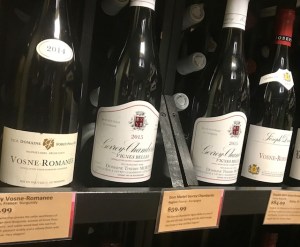
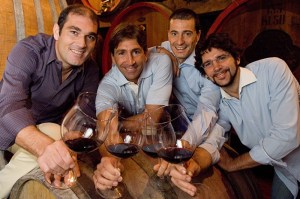
Of course this means I didn’t taste somewhere around 85. There were also several I tasted that I didn’t care for very much.

Cheers!

Share this:

  • Click to share on X (Opens in new window) X
  • Click to share on Facebook (Opens in new window) Facebook
  • More
  • Click to share on LinkedIn (Opens in new window) LinkedIn
  • Click to email a link to a friend (Opens in new window) Email
Like Loading...

Stepping up your wine drinking

27 Tuesday Mar 2018

Posted by Howard in California, France, Newspaper Column 2018, Uncategorized

≈ Leave a comment

Tags

drinking better wine, High-end wine, Value wine, wine shops

So how do you take the next step in your wine drinking? Let’s say you have an interest or desire to drink better wine. Perhaps you feel stuck drinking the same $15 Tuesday night red or white.

grape-sense-logoThe easy answer is to spend more money. You can go out and buy a $30 bottle instead of the $15 and odds are good you’ll drink better wine. But perhaps the approach should be more discerning.

If you want to improve your wine picks then get into a wine shop or a liquor store, big box store, that has a big selection. And yes, you’re going to pay more for better wine.

Perhaps one of the most frequently asked questions is what’s the difference between a $15 and $50 bottle of wine. The answer isn’t neat and simple but several factors will help you appreciate the higher price beyond the taste.

Higher-end wines are usually made in small batches. Would you rather drink wine made in a silo or one made in a small oaken barrel? Would you rather drink wine where grapes are indiscriminately yanked from the vines by machines or hand-picked before heading to the winery? Would you like to drink wines where the vineyards produce seven tons per acre with no pruning or wines grown in a vineyard where leaves are trimmed for ideal ripening and fruit is dropped during the growing season to increase the intensity of the fruit? Those things greatly increase labor costs.

IMG_1049

There are reasons – good and bad – that bottle costs more than $100.

The biggest material expense is oak. Cheaper wines are aged in used oak barrels or oak barrels from less prestigious regions. In recent years, the much-derided use of oak chips has proven a popular and cheap alternative for low cost wines. Top-end wines are aged in new French oak barrels which can cost $1,500-$2000, while most are $1000-$1,200. American oak barrels often cost half or a third of that amount.

Is there a difference in the golf club you buy at the local big chain discount store and the club you’d buy at a top-flight pro shop?

There has always been something pseudo glamorous about a $100 bottle of Napa Cab. Now it’s hard to find a Napa Winey with a top bottling that costs less than $100. Napa’s top vineyard To Kalon is in such high demand that the vineyard owner will only sell to producers who price their wines at certain levels above $100 a bottle.

But, as noted earlier, lets move beyond price. One approach to drinking better wine is taking a wine you like and go online to see if the winery produces a more refined, and higher-priced, similar bottle. If the winery has a $15 Cab there is a good chance it also produces a $30-$50 Cabernet.

Going to a wine shop should expose you to someone with expertise who can ask you questions about what you’re drinking and suggest the next logical step. Logic doesn’t dictate going from $15 to $100. If you’re sold that bill of goods leave and don’t return to that wine retailer.

If’ you’re drinking mostly $15 wine, your next step up the wine ladder should be in the $25-$50 range. Look for wines from a specific region. If you’re buying Napa Cab – and that’s all it says on the label – the grapes could come from 16 different sites in Napa. That’s good wine but there are probably no defining characteristics. Instead, buy a Napa Cab from Rutherford, Mt. Veeder or Howell Mountain for nuance in the flavors.

You need to get to about the $50-$75 price point to start drinking the really fine wines. In lesser regions, $30-$50 will get you a really good bottle.

If you’re drinking wine costing less than $20 simply ask for some advice and try something that costs 50 percent more or double the price. You’ll consume much better wine.

Share this:

  • Click to share on X (Opens in new window) X
  • Click to share on Facebook (Opens in new window) Facebook
  • More
  • Click to share on LinkedIn (Opens in new window) LinkedIn
  • Click to email a link to a friend (Opens in new window) Email
Like Loading...

Tommasi introduces Amarone to many

08 Thursday Mar 2018

Posted by Howard in Italy, Newspaper Column 2018, Uncategorized

≈ Leave a comment

Tags

Amarone, Amarone della Valpolicella Classico, Pierangelo Tommasi, Tommasi

Amarone is an under-appreciated fine wine that may be new to many wine drinkers. Amarone comes from northern Italy and is made in a process requiring the grapes be dried before pressed for their juice.

grape-sense-logoThis column is another in a series of interviews with winemakers, owners, and families about their passion for winemaking. Pierangelo Tommasi is a member of the fourth generation of Italians making Amarone wines. The Tommasi family owns several Italian estates and makes a variety of Italian wines. Pierangelo is something of a family spokesman. He works to market the Tommasi wines.

When a family business is rooted with such history, the passion is easy to understand.

Tommasi Famiglia

The current generation of the Tommasi family. Pierangelo is second from right.

“The time, labor and materials that go into crafting each bottle of Amarone della Valpolicella Classico set Amarone apart from other Italian wines, as few are as distinctive or precious as Amarone,” Tommasi began. “Our Amarone is produced from indigenous grape varietals Corvina, Corvinone, Rondinella and Oseleta grapes, all of which have thick skins, allowing them to dry for 100 days on bamboo racks with constant air circulation.”

The process of aging is unique for Amarone. During that drying period the grapes lose about half of their weight but the juice is concentrating. The wine is fermented and gains the color from skin along with the tannins and structure needed for a great wine. After fermentation, the wine is aged for three years in large oak casks.


Amarone is known as a wine of great depth and richness. And, obviously, it’s wine made from grapes which most Americans have never heard of previously. It is unlike other wines.

tommasi

Pierangelo Tommasi

“Amarone is a complex wine, but it is one of the most historical and beautiful expressions of one of the most esteemed Italian wine regions,” Tommasi said.  “Consumers should not be intimidated by the blend of grapes that go into Amarone, they should instead focus on the long aging potential of the wine and the full-bodied yet smooth and elegant characteristics that make it a favorable wine to pair with food.”

“Amarone della Valpolicella Classico is a wine one can proudly serve for special occasions, paired with red meats and ripe cheeses,” Tommasi said. “It is also a fantastic stand-alone wine, with the perfect balance of intense berries and soft tannins to make it easy to sip on its own. An ideal companion to enjoyable conversation.”

Share this:

  • Click to share on X (Opens in new window) X
  • Click to share on Facebook (Opens in new window) Facebook
  • More
  • Click to share on LinkedIn (Opens in new window) LinkedIn
  • Click to email a link to a friend (Opens in new window) Email
Like Loading...

What I’m drinking? More bubbles!

27 Tuesday Feb 2018

Posted by Howard in Newspaper Column 2018

≈ 1 Comment

Tags

#Mionetto, Bubbles, Cava, champagne, Prosecco, Summer sippers

In the early years of this column I’d do a semi-regular feature called, ‘What I’ve Been Drinking Lately.’  Let’s bring that back in 2018. We’ll recommend specific wines that, in a way, become generic recommendations for easy-to-find wine picks.

grape-sense-logoMore and more bubbles are turning up on my wine rack. It’s taken too much time but after awhile any wine drinker will learn sparking wines aren’t just for New Year’s Eve, Valentine’s Day, or a wedding reception.

Good sparkling wine is a marvelous aperitif. A cold sparkler is a phenomenal porch pounder. Bubbles pair well with salads, lighter style seafood, and even fresh fruit.

Sparkling wine sales are growing around the globe. Whether its Cava from Spain, Cremant from Burgundy or Loire, Italian Prosecco, American bubbles, or the grand daddy of them all – Champagne from Champagne, France, bubbles are hot.

If you’re not a big bubbles drinker now, let’s find an easy place to start. Prosecco might be the easiest entry point for most wine fans. Prosecco comes from Northern Italy, largely made from the glera grape, and is very affordable. Most Prosecco wines are made dry like a tart brut. But the typical pear, honeysuckle flavors trick the palate into thinking it’s a bit sweeter.

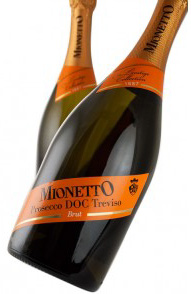
MionettoAn easy starting point is Mionetto Prosecco. It’s fresh mouthful of fruit with light bubbles. Mionetto can be found at the entry level of $13-$16 and is widely distributed. Other entry level Prosecco include Bisol and Rebuli, among others.

I prefer my bubbles with a good chill. It won’t take you long to figure out where you like the temperature of your sparklers.

Like any other grape in the wine world, you’ll notice new layers of flavor and satisfaction as you climb the price ladder. Prices are quite modest for Prosecco and Cava starting at under $10. Consumers can find outstanding sparking wine’s in the $30 range.

There’s nothing like French Champagne but you won’t find one for 13 bucks. Good champagne starts in the $40-$50 range.

Let’s add its not a bad time to stock up. Most fine wine shops and liquor stores pack the shelves for the holidays through Valentines day. Look for prices to be discounted in the next few weeks.

And a final note for today, most all sparkling wine producers produce a sparkling rose’. In a brut you get a dry, and sometimes yeast hint, that isn’t pleasant to all palates. Sparkling Rose is a personal favorite. Rose’ is still dry, bubbly, but with a bit more fruit.

You won’t regret keeping bubbles on your wine rack.

Share this:

  • Click to share on X (Opens in new window) X
  • Click to share on Facebook (Opens in new window) Facebook
  • More
  • Click to share on LinkedIn (Opens in new window) LinkedIn
  • Click to email a link to a friend (Opens in new window) Email
Like Loading...

Winemaking is always about farming

09 Friday Feb 2018

Posted by Howard in Food & Travel, Italy, Newspaper Column 2018, Uncategorized

≈ Leave a comment

Tags

Barolo, Chiara Boschis, Dolcetto, Italy, Nebbiolo, Piedmont, Pira & Gigli

Whether it’s the hills of Southern Indiana, the lush valleys of California, or limestone soils in Bordeaux, winemaking is farming. Most any winemaker will quickly share that great wine comes from great vineyards.

grape-sense-logoAdditionally, the best winemakers say they only get involved in a tiny portion of the winemaking process.

“A vineyard is by God,” said Italian winemaker Chiara Boschis, in Indianapolis to promote her Piedmont wines. “Winemaking is an art, such a long process from the grape to the harvest and then vinification. What is important is to be a good farmer. We have learned to be better and better farmers.”

Boschis is a bit of an icon. She started in the late 80s with her first vintage in the early 1990s. Her ‘old farm of Barolo’ had been worked for nine generations. “But being a girl, I was not really involved. Ah, a lost resource.”

So off she went to university to earn a degree in economics, which she hated. When her father purchased a nearby small winery in 1980, she jumped at the opportunity. “I wanted in, I wanted to have my hands in the wine. At that time Barolo was not as important as it is today. I was attracted to all the new ideas.

IMG_1119 (1)

Boschis talking Italian wine.

Pira & Gigli winery has been her workshop ever since. She believes in minimal interference. As a matter of fact, she calls her wines 99 percent vineyard and 1 percent winemaking.

She almost immediately started reducing the crop in her 10 hectares (about 24 acres) to improve grape quality. She became diligent in keeping her winery spotless. She called the 1990s the years winemakers learned what they needed to do to make the Barolo grape, Nebbiolo, a world-class wine.

“Back then the winemakers were called the Barolo boys,” she said. “I was the only girl. Women have always been the column of society, taking care of the kids, the budget, and the household. Now a lot of girls are taking up winemaking.”

That emergence in the 1990s was crafting Piedmont wines to be food-friendly and a bit lighter than previous tradition. “We wanted to reduce the crop to reduce the alcohol and sugars,” she explained. “We wanted to make wines of elegance, wine for food.”

Piedmont wines are for serious wine drinkers. The first step into Piedmont wine is Dolcetto. You’ll often find it labeled as Dolcetto d’Alba or Dolcetto d’Asti – that’s simply a geographic designation. It’s an earthy grape with bright fruit and can be found for around $20.

IMG_1103

Boschis explaining Piedmont’s winemaking regions.

Barbera is a real workhorse in the area and maybe the best value. The best Barbera wines are silky on the palate with lots of spicy notes. Barbera can range from $25-$50.

Nebbiolo is the rock star in northwest Italy. Wines labeled Nebbiolo are essentially ‘second wines.’ The wines are dry and tannic with a distinctive flavor of terroir and region. Nebbiolo can be found at a wide range of prices from upper teens to $50.

The very best Nebbiolo, in specified Piedmont regions not far from Turin, becomes Barolo. Barolo is considered by many wine critics and wine drinkers one of, and in some case, the best wine of Italy and even the world. The wine is made for food and to age. They are rich wines perfect for big food and Barolos usually have a pronounced finish.

Good Barolo is hard to find at less than $50 or $60. Boschis’ Barolo wines are generally $100-$120. So, Barolo isn’t going to be for everyone, its not easy to find unless you are in a larger city wine shop, but Barolo is a dynamite wine. Try a Piedmont in your price range with Italian beef or hearty sauces.

Share this:

  • Click to share on X (Opens in new window) X
  • Click to share on Facebook (Opens in new window) Facebook
  • More
  • Click to share on LinkedIn (Opens in new window) LinkedIn
  • Click to email a link to a friend (Opens in new window) Email
Like Loading...

Watching sausage made educational

23 Tuesday Jan 2018

Posted by Howard in California, Napa/Sonoma, Newspaper Column 2018, Uncategorized

≈ Leave a comment

Tags

Gary Sitton, Ravenswood, Sonoma County, Zinfandel

No one really wants to see the sausage being made. Occasionally, there is reason to see how things come together.

grape-sense-logoGrape Sense is now in its 11th year of publication all around Indiana and viewed via social media coast to coast. People often ask if all ideas have been exhausted. That’s not really a problem. Opportunity sometimes provides ideas and new directions and that has happened lately. The 10 years of wine writing has opened up more connections with marketing firms directly to wineries and winemakers.

Numerous opportunities have popped up recently to interview winemakers in California, Oregon and even Italy. Reading winemakers thoughts about their approach to production and their views of the industry is really educational. A few weeks ago we featured Ravenswood’s Gary Sitton, who has replaced the legendary Joel Peterson. Today’s column features more specifics. We’ll feature more such features in Grape Sense throughout 2018.

Ravenswood is one of the leading Zinfandel producers in the country. Historically, Peterson’s efforts have not only propelled the winery but the varietal. Entry-level Ravenswood is widely available in Indiana. Select vineyard designate wines can be found at better wine shops.

Gary Stitton

Ravenswood’s’ Gary Sitton

Sitton began our conversation talking about Ravenswood’s approach to Sonoma County Zinfandels.

“We pick the grapes just ripe, not over-ripe and allowing for the grapes’ natural acidity to bring freshness in young wines, but also the ability to age over time,” Sitton said. “Our winemaking techniques of really focusing on the vineyard enables us to create Sonoma Zinfandels as it is our home, as well as produce Zins from Lodi, Napa and Mendocino Counties, all of which are full of personality and can be traced across vintages.”

Sitton also appreciates getting into the tasting room to see how his wines are being received. “I try to make it into the tasting room when I can, to get some one-on-one time with our visitors,” he said. “I like to get a personal take and get a pulse to how they feel about our wines. I think it’s important to have firsthand insight from the people supporting us the most. More so, I think it is important to have a face behind Ravenswood, in the tradition of our Founding Raven (Peterson), as it shares the true human story of our Sonoma winery’s home.”

The entry-level wines, usually under $20, are approachable and give wine fans a good introduction to California Zinfandel. Certainly the vineyard designates, in the $39-$60 category, present richer and smoother Zins for a more refined taste.

“With Ravenswood County Series, Single Vineyard Designates, as well as our Vintners Blend wines, we believe we can continue to support wide national distribution, while providing options at different price points,” Sitton said.

And if you travel to Sonoma, Ravenswood is a great stop just outside the town of Sonoma.

Share this:

  • Click to share on X (Opens in new window) X
  • Click to share on Facebook (Opens in new window) Facebook
  • More
  • Click to share on LinkedIn (Opens in new window) LinkedIn
  • Click to email a link to a friend (Opens in new window) Email
Like Loading...
← Older posts
Newer posts →

Recent Posts

  • The other White Burgundy – Aligote!
  • Some wine gifting advice
  • Real Indiana Chardonnay?

Categories

Enter your email address to follow this blog and receive notifications of new posts by email.

Join 2,063 other subscribers

Photography

Friend Me On …

Archives

My Summer With Lymphoma: Lymphoma - My Third Battle 2024

Scan: ‘No Evidence of Disease Progression’

That’s a nice way to say it. Yesterday, Mar 27, I had a PET scan (nuclear medicine) to look for cancer after my 60-day CAR-T cancer treatment. The headine here was the second sentence in the technical and detailed report. I really didn’t need to read anymore. I am cancer free and now can wear […]

Fighting Disappointment, Wrist Pain

Most of the past week or so has been dealing with the disappointment. I ended my 60 days of restrictions from cell therapy cancer treatment. But I learned a severely broken wrist can even out do cancer. I fell Sunday Feb. 19 in an icy parking lot. I had surgery the following Wednesday then Thursday, […]

Blog at WordPress.com.

  • Subscribe Subscribed
    • Howard W. Hewitt
    • Join 87 other subscribers
    • Already have a WordPress.com account? Log in now.
    • Howard W. Hewitt
    • Subscribe Subscribed
    • Sign up
    • Log in
    • Report this content
    • View site in Reader
    • Manage subscriptions
    • Collapse this bar
 

Loading Comments...
 

    %d