Get White Right with Your Sauce

Tags

, , ,

Everyone has heard the old wine/food pairing advice of red wine with red meat and white wine with fish or chicken.

Grape Sense LogoFor the most part, that’s not a bad guideline which will work more often than not. But as you really get into wine and start referring to yourself as a “foodie,’ the simplistic advice just won’t work.

From time to time in coming months Grape Sense will explore food and wine pairings with easy-to-make recipes. More on that in the future.

The first example is baked chicken and white wine. But what if your chicken dish has a rich and creamy sauce? That big oaky, buttery, California-style Chardonnay is probably not a great match.

An ideal pairing for such a dish is an unoaked Chardonnay or lightly oaked Chard. Think French Chablis or Oregon or even the inexpensive unoaked Chards from California and Washington state.

The unoaked Chardonnay will give you bright fruit with a fresh taste but a nice acidic and crisp finish. That finish is the perfect complement to the creamy sauce on a dish like Chicken Lyon.

LyonGood unoaked Chardonnay can be easily found in the $12-$20 range in any decent wine shop. Great Oregon unoaked or lightly oaked Chard runs $25-$50. French Chablis, arguably the world’s best white wine, starts in the teens and runs into the $100-range. Try a Chablis Premier Cru for around $30-$45 on a special occasion.

If you want to avoid a Chardonnay then go to many of the lighter white but zesty and crisp whites like Oregon Pinot Gris, Spanish Verdejo, Rhone or Languedoc whites, or even This recipe is a great test for your unoaked Chard. It’s not mine, it’s a compilation of Chicken Lyon recipes I have found and like.

Chicken Lyon

One Medium Chicken, cut up

3 tablespoons olive oil

3 tablespoons of real butter

12 large garlic cloves, unpeeled

A bay leaf or two

1 cup of vinegar, I prefer red wine vinegar

2 cups chicken stock or broth

1/4 cup cream, half&half or creme fraiche

1. Preheat oven to 425. In deep skillet put olive oil and brown chicken skin side down. Add salt, pepper, a tablespoon of butter and brown the chicken. Flip the chicken and add all that garlic and bay leaf.

2. Remove the skillet and into the oven it goes for about 10 minutes (no longer). I make this dish in an iron skillet. Add the vinegar and cook 15 minutes or until you think the chicken is done. Remove from oven.

3. Now, take chicken from the skillet and set aside. Add the chicken stock, scrape up the tasty little bits left behind and let it reduce to a little more than a cup. That will probably take 5-10 minutes. Add your cream and remainder of the butter – whisk it all up. Return chicken to the pan and let it cook until the sauce begins to thicken. That will take about 5 minutes.

Serve it up. If you want a French country meal feel to your Chicken Lyon, roast some nice asparagus with garlic and butter.

Branding, Marketing Make A Brand

I work in marketing at a small Midwestern liberal arts college. So we spend a lot of out time on messaging. About a year ago I started thinking about my wine writing the same way.

HLogo180I consider myself a wine journalist – not just a wine blogger. I spent 20 years in the newspaper business and have a column in 23 papers, every other week, about value wine. I think my best pieces are old-fashioned reporting/writing efforts.

But I also know building your brand is really important with all the clutter in the market. So a year ago I launched this blog site with a different look and URL – http://www.howardhewitt.net – my name.

I have quite a few former newspaper employees who’ve moved on to bigger and better things. I asked a really talented designer who once worked for me to create a logo. He gave me three great options. The one displayed here is my favorite but I may use a couple of the others in some printed materials.

While some might smirk at the ego-centric nature of this pursuit, and I probably would too, branding can help separate any writer from the crowd!

Wines News Impacts Consumers

News from the world’s wine regions can affect even the average wine drinker. There is a lot going on, particularly in California, which can affect future wine prices.
The biggest news and fear from the west coast is the on-going drought. The 2013 harvest was huge but vineyard owners and managers are concerned about the future.

Grape Sense LogoNorthern California had a heavy five days of rain recently but it was not nearly enough to offset dry conditions. The extended rainfall certainly brought about some sighs of relief but long-term weather predictions call for dryer than normal conditions until at least early summer.

Anyone in the Midwest knows what happens with agriculture when things dry up. There are smaller crops and less quality product. That is doubly true with fruit, or in this case grapes. No one is predicting a catastrophic 2014, particularly on the heels of a strong 2013 crop, but it bears following.

Each year the USDA’s National Agricultural Statistics Service provides a harvest report and it’s always interesting reading. California’s 2013 crop was up six percent over the previous year. That means more than four million tons of wine grapes were harvested.

What’s the top grape in California? Well, most people would probably guess its Cabernet Sauvignon but actually there is more Chardonnay being harvested each year. Chardonnay accounts for 16 percent of the harvest to Cabernet’s 11 percent. Zinfandel comes in at 10 percent of harvest followed by Merlot, Pinot Noir, and Pinot Gris.

And to understand wine prices, or the price of any consumer good, you have to have an appreciation for raw material costs. Everyone learned that in basic Economics, right? California is best known for its big, expensive Cabernet wines. Well, the average price for a ton of grapes in California was $706.29 a ton. But if you have Cabernet on those acres the average cost is $5,500 per ton.

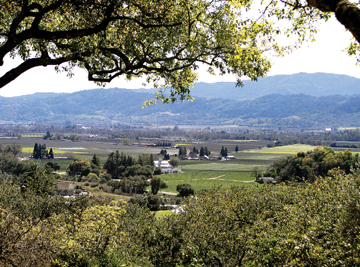
A great look at the floor of Napa Valley in March.

A great look at the floor of Napa Valley in March.

So how much wine does that make? It depends on a lot of variables, obviously. But if we just take averages you have to crush 600-800 grapes to make a bottle of wine. That could be anywhere from three to 10 clusters. It takes a little more than 30 pounds of grapes to make a case.

Do you have your calculator out yet? That means you can make approximately 750 bottles of wine from a ton of grapes. Now get your calculator out and you begin to see the differences in the cost of a bottle of wine from label to label. There are many other variables but it all starts with raw materials.

Two other interesting stories center in Napa/Sonoma. There is quite the community battle underway in Sonoma over how many tasting rooms are too many. On three trips to Sonoma, I’ve noticed an increase around the charming town square during each visit. Some fear it’s chasing out small business while winery owners and the wine industry contends all those tourists keep the town alive. That one will be an interesting one to follow.

The other is a much needed discussion about rebuilding Highway 29, the main street of wine country in Napa. The road looks like a Midwestern two-lane highway through the middle of all these multi-million dollar winery operations.

After a year-long study, a presentation has been made to local government officials to rebuild the famous 17 mile stretch with front roads, bicycle paths, sidewalks and more. Don’t look for Napa wine prices to go down in our life time. The cost for that local project is projected to be $349 million.

Chablis is Long Way from California

Tags

, , , , , ,

Chablis Rock

Social media is a powerful and interesting tool. We worship it, belittle it, ignore it and fuss over it. And that’s just Monday through Thursday!

For the most part social media is a wonderful way to stay in contact with friends near and far. It’s also a great tool to talk about common interests – like wine.

After a posting last night about enjoying a couple glasses of Chablis, I had a lot considerable chatter. Here’s the post:

If you’re one of those people that just don’t care much for Chardonnay, you should try Chablis before writing it off. I am NOT a fan of California, oaked Chard – but really enjoy the minerality and crispness of the same grape grown in Chablis. Tonight’s Chablis is a simple one but quite tasty: Drouhin’s 2010 Vaudon Chablis. You can find it around $20 everywhere!

Chablis, France

Chablis, France

It was rather surprising that many had not really tried real Chablis – grown at the north end of Burgundy. Several asked about the difference and why Chablis is special.

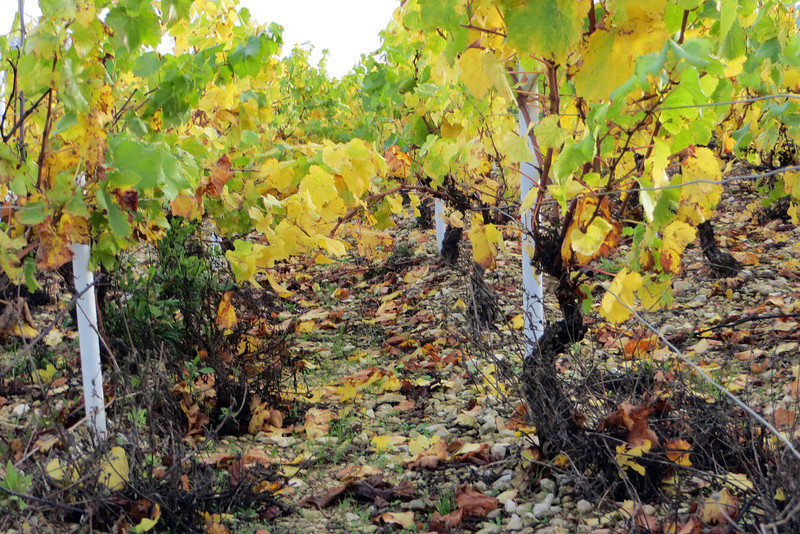
Not to start too much with French geeky wine talk, but it’s all about the terroir. Let’s start by mentioning the photo at the top of the post. I took that shot atop a cold Chablis hill in October 2012. Look closely at the floor of the vineyard and you will see beautiful fall leaves and stones – LOTS of stones.

Chablis’ Chardonnay is planted on the hillsides surround the beautiful tiny hamlet of Chablis with soil atop limestone. Those rocks seen above are seen in every vineyard in Chablis. The limestone gives Chablis its “flinty” or mineral flavor.

Additionally, Chablis is a cool climate area where Chardonnay grapes do not ripen like California. In the hot California sun Chardonnay becomes very ripe with higher alcohol levels from all that sun and hot air. Chablis’ Chardonnays are grown in cooler temperatures and produces lighter fruit and more acidity.

Chablis is largely fermented and aged in stainless steel. A new generation of Chablis winemakers are experimenting with oak but far less than you will find in a white Burgundy. From a visit with winemakers over three days, we heard often that only a portion of the final blend would be aged in oak. And often the oak is older wood without the impact of new oak – often reserved for red wines elsewhere in France.

Understanding really good wine is more often than not a lesson in geography, climate and soils. I’ve been lucky to visit wine regions around the world and the one consistent message from winemakers about great wine? Great wine is made in the vineyard.

A friend commented on the Facebook post that Chablis can be expensive – and he’s right. Those $15 bottles, are frankly, not going to give you a true representation of great Chablis. I do believe the Drouhin Vaudon Chabis is a good entry level bottle of wine. It can be found in the $18-$23 range in good wine shops.

Chablis has four levels – Petit Chablis, Chablis, Premier Cru, and Grand Cru. I’d strongly recommend trying at least the Premier Cru Chablis to get a great taste of French terroir.

Averages are always a so-so barometer but you can count on spending $35-$50 for a Premier Cru Chablis. The Grand Cru Chablis are most often those which will see some oak in the aging process and be the most pricey. But these are wines that are age-worthy! There are only 230 acres of Grand Cru vineyards so it’s truly a special wine. Grand Cru wines tend to start around $50 a bottle and go up!

Top end Chablis is delightful and as far from California’s oaky, buttery Chardonnay as a big red wine. Here are some names easy to find and great producers: Joseph Drouhin, Domaine Fevre, Jean-Marc Brocard, and my personal favorite Simon-Billaud. These four are all based on personal tastings.

I’m a bit prejudiced toward Simon-Billaud wines because we met in the old chateau with Bernard Billaud. Through a young translator he talked about his family’s years of winemaking. In my nearly seven years of wine-writing, he gave one of the great quotes you’ll ever hear. It’s not arrogance, it’s pride.

From a March blog post/newspaper column about the trip:

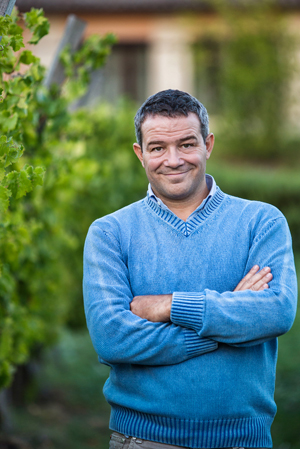
Bernard Billaud of Billaud-Simon

Bernard Billaud of Billaud-Simon

How does a little minerality and acid change a wine that everyone knows and everyone has probably tasted? It’s the magic of terrior. I remember the aggravated words of Bernard Billaud who said (and I paraphrase) …’if you are talking Chablis it has to be about the minerality and acidity, and if not …. you are just making Chardonnay.’

And you had to hear the derision in “just making Chardonnay” to appreciate the Frenchman’s dignity and pride. It was quite a moment.

If you visit that blog post you’ll find links to all my posts from Chablis and lots of photos.

I was joined on that Chablis trip by other U.S.-based wine writers. One of the writers I most enjoyed was Michael Apstein. Here is a very thorough piece he penned after the trip.

As promised on Facebook, the one region in the U.S. making great – and largely unoaked – Chardonnay is Oregon. Many Oregon Chards are the closest I’ve tasted to Chablis on this side of the big pond!

Wine for Serious Wine Lovers

Tags

, , , ,

It’s easy to buy a big, expensive California Cabernet, red Bordeaux, or Oregon Pinot Noir for an intimate dinner party or special gift. But to really surprise a serious wine lover or yourself why not something really different?

Grape Sense LogoOdds are even the biggest wine fans are going to scratch their heads when you present them with a bottle of Sagrantino. The grape grows primarily in just one region of the world. Sagrantino’s home is the hilltops around Montefalco, Italy. Its origins are largely unknown though it’s been suggested it arrived in Umbria from Greece. There is also a school of thought the Franciscans or St. Francis of Assisi brought the grape from the Middle East as a scacramental wine. The grape can be traced back 400 years in the Montefalco region.

Winemaker Marco Caprai

Winemaker Marco Caprai

What makes the wine special and rare is that there is only 250 acres of Sagrantino in the region. A bit of Sagrantino is planted elsewhere in Tuscany but not much. There are only a few producers specializing in the wine. The number is usually reported as about 25 wineries.

Sagrantino is often blended with a large percentage of the traditional Italian Sangiovese grape to make a Montefalco Rosso; Sagrantino Passito is made from partially dried grapes.

But let’s stick to the rare but exciting 100 percent Sagrantino.

What’s so special? It is big, rich, and dry wine. It probably will be the most dry wine even an experienced wine fan has ever tasted. It is extraordinarily complex wine worthy and demanding aging before drinking. Most recommendations range 5-10 years beyond vintage year before consumption.

The wine is aged at least 30 months before it can be released. It’s a full-bodied wine driven by muscular tannins, rich taste, and subtle floral hints.

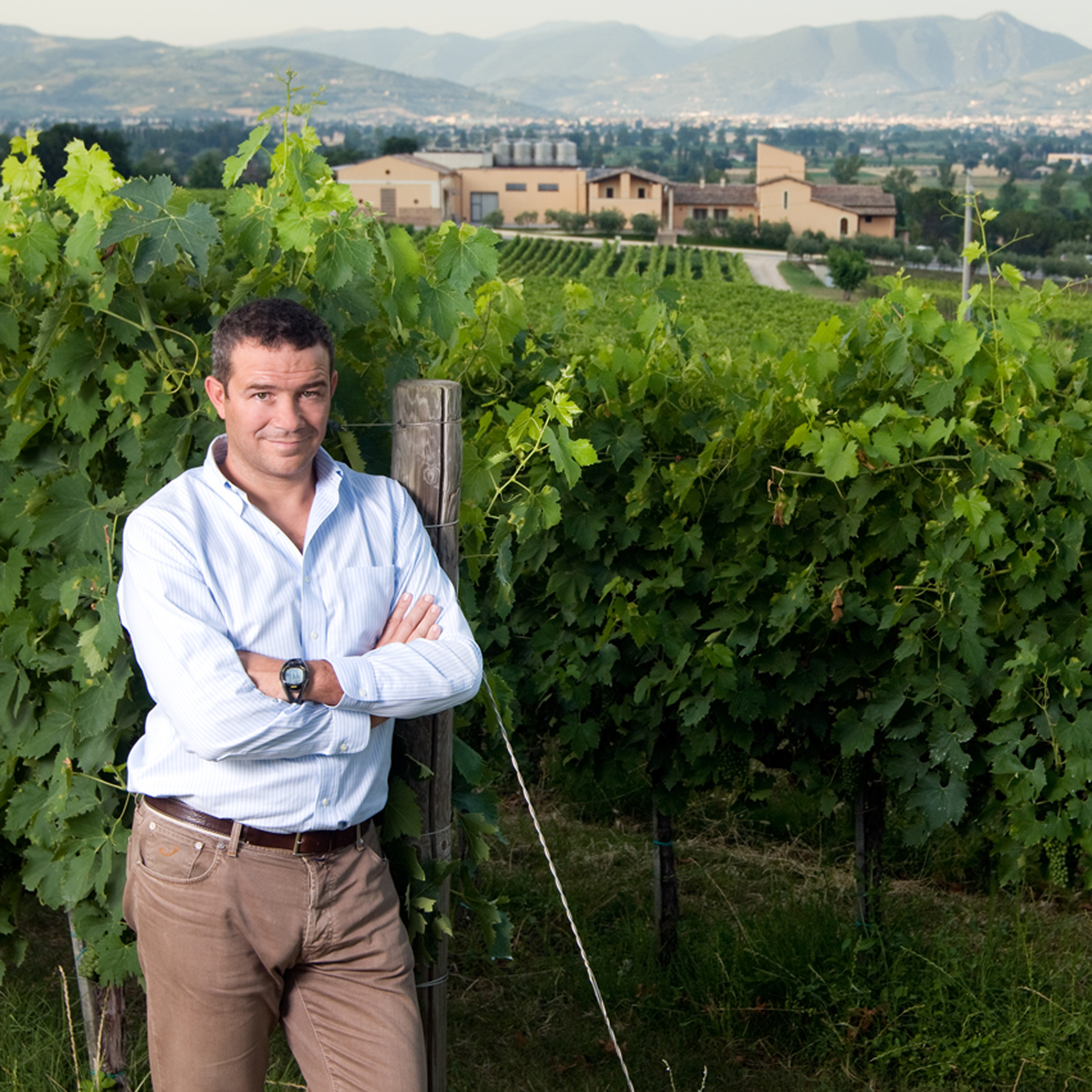
Caprai with family estate in the background.

Caprai with family estate in the background.

Such an obscure and difficult grape requires a champion. Arnaldo Caprai is the little black grape’s biggest booster. For years Caprai made his substantial living as an Italian textile giant. He bought a winery in the 1970s near Montefalco. Caprai partnered with the University of Milan to study the grape and its background. Marco Caprai joined his father’s efforts in 1987 as they expanded vineyards and built a state-of-the-art winery. He continues as the winemaker and Sagrantino ambassador today.

The Caprai wines are the best among four to five labels I’ve tasted.The wines would pair well with Italian-seasoned beef, or meat in red sauces, this is not pasta wine! The latest Caprai Sagrantino release was a consistent 90-94 point wine

There are other labels available in the U.S. but you’ll only find Sagrantino in better wine shops.

I opened a bottle of Tenuta Alzatura Disente Uno 2004 Sagrantino for this column. It was a bit silkier than most with a strong sense of earthiness on the nose. Frankly, it was a little thin. It still had the huge tannic finish but wasn’t as rewarding as others.

The second bottle I tested was Tabarrini 2006 Colle Grimaldesco, aged 24 months in oak and 12 months in the bottle before release. This wine had the intense dark colors and a dense taste of blackberry and spices. It warms the palate and surprises a novice with its sheer power. Wine Advocate gave this wine 91 points.

Grape Sense has always focused on value wine. But the least expensive Sagrantino is around $30 and you can easily spend up to $150. So Sagrantino is not for everyone, but something really special to give a try if you see a bottle.

This piece is my most recent newspaper column. A similar and slightly longer piece appeared in the most recent issue of Madison Magazine, Anderson, In.

Lange Pinot Seldom Disappoints

Tags

, , , ,

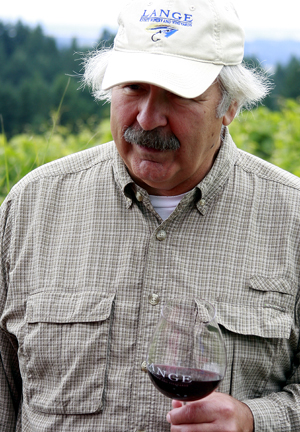
Jesse Lange, Lange Estate Vineyards, once told me that there really aren’t bad vintages, just years when you find out who can make wine!

Jesse Lange

Jesse Lange

The Oregon winemaker had a point beyond bravado. There have been some up and down vintages in the Willamette Valley just like there are in any wine growing wine regions in the world.

Initially, as I recall, the 2007 vintage was weak and only garnered a Wine Spectator 84 rating – the lowest in 10 years. I read a few mixed reviews about the 90-point 2009 wines but found them rich when I was in the valley shortly after the release, and again last night. Last night there was a silkiness to the mouth feel.

I had a couple bottles of the Lange 2009 Lange Estate Vineyard Pinot put away and opened one last night. I’m an admitted fan but last night’s glass was really great.

LangeWineIt was also the first time I had used my Riedel Oregon Pinot Noir glasses at home – and by golly they make a difference! I had a very experienced wine-drinking buddy over and walked him through the tasting of Pinot with the Riedel glass along with the Syrah and Cab model – he was equally impressed.

The wine had such a beautiful balance. It was just a tad floral, nice bright cherry and raspberry. I would definitely call it elegant wine.

Lange Estate Vineyard 2009 Pinot Noir, bought this off an internet flash site and had hard time tracking down retail – most Lange vineyard designate wines are $50-$60. Very Highly Recommended.

Plenty of Great Wine Under $20

Tags

, , ,

The seven years this column has focused mostly on great wines under $20 that you won’t find on the grocery shelf. Every time it seems like the list is exhausted, another wine comes along to make even the wine cynic say ‘wow!’

Grape Sense LogoFor regular wine drinkers finding such a wine is the thrill of the hunt. Always on the lookout for a wine that rocks for a low, low price, the real enthusiast treasures the unexpected find.

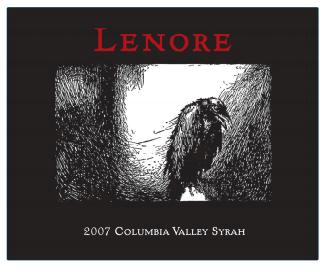
Lenore Syrah, from Washington State, might be the best value wine I’ve tasted in years. First a little necessary background is in order. Washington is really turning the heads of value wine drinkers. The wines tend to be full, rich, less tannic, value priced, and imminently drinkable.

One of the biggest names in Washington wine is Owen Roe. Owen Roe was a 1600s Irish patriot who was known for his dedication to principle and not compromise when seeking the best of any pursuit.

It’s that dedication modern-day winemaker David O’Reilly and vineyard manager Jerry Owen bring to their Washington wines. The Owen Roe label – which includes Syrah and a number of red wine blends – sells mostly in the affordable $20-$30 range.

But like many wineries Owen Roe has a ‘second-tier’ or value label. That is more common in the wine industry worldwide than some wine drinkers may realize. The value label is Corvidae-Lenore. Corvidae is Latin for the family of birds including ravens, magpies, and crows. “Their reputation as crafty, adaptable, and somewhat dubious characters is a fitting icon for our suspiciously terrific value wines,” the winery website suggests.

LenoreThe Lenore 2011 Columbia Valley Syrah features a Raven and embraces the legacy of Edgar Allen Poe. The wine is a real thriller.

It has wonderful fruit without being over-powering, wonderful spice, and a mouth feel that will have you headed back to the shop for more. I found this wine to be such a bang-for-the-buck I would have bet it was a $30-$40 bottle if I had tasted it blindly.

The suggested retail is $16.95 and I found it online cheaper than that.

This wine is a wonderful pairing for winter stews, roasted meat, or even chili.

Other Washington Syrah value labels include: Sparkman,  Southard, Fausse Piste, Trust, Betz Family, Abacela, Spring Valley, Saviah Cellars, Dusted Valley, and many, many more.

Paso Robles on California’s Central Coast is another region known for its outstanding Syrah. The fruit is bigger and so is the finish but the value at a slightly higher price than Washington is still there in the next price tier.

Look for labels like Eberle (the Godfather of California Syrah), Tablas Creek, Saxum, Calcareous, L’Aventure, and many more. But one of the great ways to enjoy Syrah is from Paso Robles’ great Syrah blends using traditional Rhone grapes like Grenache and Mourvedre.

If you want something simple, cheap, and very easy to drink and find – then try the French Les Jamelles Syrah. It’s certainly not as well-defined wines as any mentioned here but it’s very drinkable and almost always under $10.

Syrah has been a much maligned grape in recent years but try it with hearty winter meals and you just might become a fan.

Incredible Syrah for Well Under $20

Tags

, , , , , , , , , ,

zpoeimgi   For the rare and radiant maiden whom the angels name Lenore – Nameless here for ever more.
                                       – The Raven, Edgar Allen Poe.

Each year the perfunctory task of a year-end or best-of list is compiled here and elsewhere. It’s hard to think that I might taste the best value wine of the year on Jan. 13 .. but maybe; it might have happened tonight!

Corvidae Lenore 2011 Columbia Valley Syrah – The Owen Roe wine is crazy, incredible, and just plain stupidly good for the mid-teen price range.

The Corvidae label is the value or second-tier label for much-respected Owen Roe Winery in Washington state.  I googled the wine and enjoyed the various reviews. I usually do that after writing my own comments. But I was curious if other writers thought it was kick-ass as I found it.

So here are some other thoughts:

LenoreFrom Wine Peeps: Deep, dark purple. Oak and dark fruits come through on the nose; more dark fruits and spice on the palate. Medium to full-bodied with lively acidity, medium tannins, and a long finish. A good weeknight wine.
Quality: 3.5 stars (out of 5) QPR: 5 bangs for your buck (out of 5)

Corvidae Lenore Syrah, grown in the Columbia Valley has great spice, bright fruit, deep purple hues, and gorgeous texture and is really a steal for the quality it delivers. Pair Corvidae Syrah, a juicy, boisterous wine, with barbecued babyback ribs, a hearty lamb stew, your favorite burger or just on it’s own.

Avalon Wine & Northwest Wine: “Corvidae” is named for the family of birds that includes crows and ravens. Crows have a long history in folklore and mythology. David was inspired to name the label Corvidae by the many crows that circle the sky over his winery in Yakima.

And my favorite:

The Wine Monster:” The black raven on the label says it all. This is a big full bodied Syrah that makes you feel like you just got mugged by Edgar Allen Poe.”

This is one of the best value wines I’ve tasted in several years. Tasted blindly, I’d have guessed it was a $30-$40 wine. Big fruit and spice without being jammy and beautifully balanced.

Oh, it would be a failure not to note Coridae wines are named after a fairy tale or fable. The winemakers were inspired to name this wine by the number of crows around the vineyard!

Corvidae Lenore 2011 Columbia Valley Syrah, SRP $16.95, Very Highly Recommended

Join Me for Oregon Wine Trip

Tags

, , , , ,

Don Lange talking Pinot

Don Lange talking Pinot

Leading wine trips has been in the back of my mind for the past couple of years. Six years of immersion into learning and appreciating wine has given me some knowledge, experience, and certain contacts in the wine industry.

I helped leading a group to France in June through my regular job. I was in charge of four days in Southern France visiting wine country. After that trip, and consulation with a few wine friends, I thought I could start doing one trip a year and then perhaps 2-3 annually in the future.

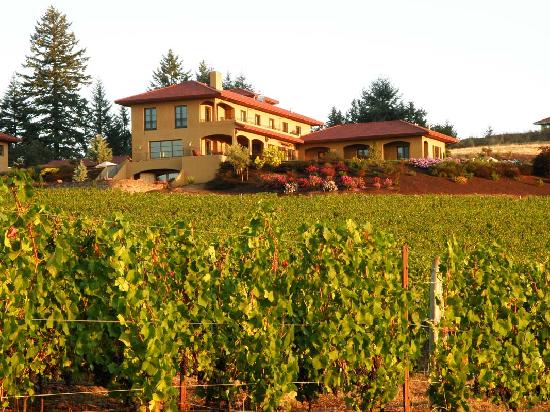
I’ve put together a trip to Oregon’s Willamette Valley, June 9-14. This will be a boutique type trip for people serious about wine. Frankly, this trip could be done a little less expensive but we’re going to eat well and stay in a really fabulous Bed and Breakfast when we’re in the Willamette.

Our lodging - Black Walnut Inn

Our lodging – Black Walnut Inn

Before I go any further, the brochure is linked in the left rail on this page and right here!

The trip does NOT include transportation to and from Portland. The trip beings Monday night, June 9 with a reservation in your name at the Hilton Doubletree Inn, downtown Portland. We’ll travel Tuesday morning out to the valley and begin with a tour, tasting and lunch at Lange Estate Winery. We hope to have Jesse or Don Lange join us to talk about Lange wines.

After lunch its the very nice, and very upscale, Alexana Winery which is nearby. Then we’ll check into the stunning Black Walnut Inn. That night we’ll head to McMinnville and dine at one of local winemakers favorites spots – Nick’s Italian Cafe.

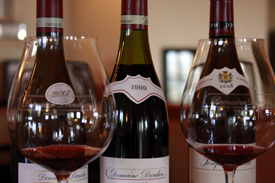
drouhinWednesday’s action includes an Oregon Pinot/Burgundy side-by-side tasting at Domaine Drouhin. We’ll have lunch at a great boutique winery – Winderlea. And we’ll visit one of my personal favorites, Vidon in the afternoon. We might even squeeze in one more. Dinner that even will be more on the lighter side.

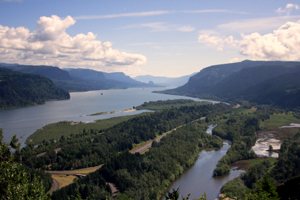
On Thursday we’ll break the routine and head out to take in the stunning Columbia River Gorge. It think it’s one of the prettiest areas in our country.

Columbia River Gorge

Columbia River Gorge

We’ll stop at Multnomah Falls and have lunch in Hood River.  That night we’ll have a grand dinner at the fabulous Recipe restaurant in Newberg.

Friday’s lineup includes tasting at another boutique winery, a visit to the great ladies at Republic of Jam, and lunch in Carlton. We’ll have an extra hour or so in Carlton to visit some of the great little shops on your own – or even visit a few of the tasting rooms in town.

Mid afternoon we’ll head back to Portland where a room at the Doubletree will be reserved in your name. The trip officially ends. You are on your own Saturday to head home or enjoy more of what Oregon has to offer.

That’s a quick overview. Check the brochure for more details and cost.

I wanted to get this post up to link up some blogs and photo albums from previous visits to the Willamette Valley.

July 29, 2011 newspaper column on Oregon Trip. Four photo albums from that trip here, here, here, and here.

Here are my blog posts from that trip: Day 1, Day 2, Day 3, Day 4.

Looking into 2014 Crystal Ball

Tags

, , , ,

crystal-ball

The only good thing about looking forward at the start of the year is no one remembers your predictions a week or so later. That said, there are lots of trends and movement in the wine world which will have an impact on the average wine drinker.

Grape Sense LogoFor the first Grape Sense of 2014, it makes sense to look ahead a bit.

Moscato – That sweet white wine that seems to be everywhere is exploding. But that’ s not news since it all started in 2012. Sales increased by a third in 2012 with little sign of letting up in 2013. The light alcohol and light fizz has proven wildly popular with younger consumers.

From hip-hop artists to long-time sweet wine lovers, Moscato has become the go-to beverage. California is providing most of the sweet white but look for other labels to join the band wagon. Furthermore, check out your local grocery, wine shop, or liquor store shelves and you’ll find major labels offering a variety of sweet wines.

Red wine blends are another area continuing to expand and grow. A good red wine blend can go from the inoffensive to nuanced and satisfying to even the most discerning wine drinker. Better yet, you can often get big bold flavors from a good California or Washington blend at a fraction of the cost of single variety wines. Red wine blends offer some of the best value options for better wine.

The biggest sales growth areas are Moscato, sweet red blends, and Malbec. Malbec is a great intro point for those trying to expand beyond Cabernet, Merlot and Pinot Noir. It’s a great food wine and a wonderful way to start exploring beyond your normal tastes.

wineappMillenials and apps have been the talking points for much of the wine media over the last few years. Younger people are the fastest growing segment of the wine-buying population. They do drink sweeter wines but they are also very willing to try something new.

The younger section of the market is also driving wineries, marketers, and everyone else in the wine business to go more digital. There are smart-phone applications to find wine, rate wine, and journal your own wine drinking.

Packaging is another area where innovation continues to push the market. Wine is turning up on shelves, particularly value wine, in single servings, all shapes of paper and glass containers, and other new ways to supplant the 750ml bottle.

wine-celeb_ticketsand Indiana to get the world’s attention with its small production of wine. But the quality of the ‘other states’ wines continue to improve. Each year I visit quite a few Indiana wineries, and a few in surrounding states, the quality continues to show considerable improvement. It’s not just the top producers but some of the smaller state wineries have learned to focus on quality.

Wine travel is a great vacation and another industry that just grows and grow. I will be joining that trend in 2014 by leading a boutique-type experience in Oregon’s Willamette Valley in June. Whether it’s a trip you plan yourself or an organized wine adventure, the internet has really made it easy to plan a great wine vacation. Click here if you’d like information on the Oregon trip I’m hosting or simply to add your name to my mailing list for future trips.

Happy New Year to all. Thank you for reading Grape Sense!