Catching Up: A Passel of Wine Reviews

I’ve sipped lots of great and interesting wines over the past two weeks and tonight is catch-up night!
Cristobal 1492 2008 Bonarda – If you’re looking for a great house wine or an easy drinker at a great price, this wine is for you. First, many have not heard of Bonarda.

Bonarda was more widely planted in Argentina before Malbec made its big splash. And if you like Malbec, you’re going to like this grape. The bigger versions contrast Malbec with a bit more earth and smokey characteristics, I believe.

This wine is a value wine with rich and smooth flavors. You might get a hint of chocolate once you get past the smooth blackberry on the front of the palate. It’s a bit softer than most Malbecs with a rich mouth texture.

I like this wine a lot! (Cristobal 1492 2008 Bonarda, $11.99, but I found it under $10 in Indianapolis, Highly Recommended for price point!)
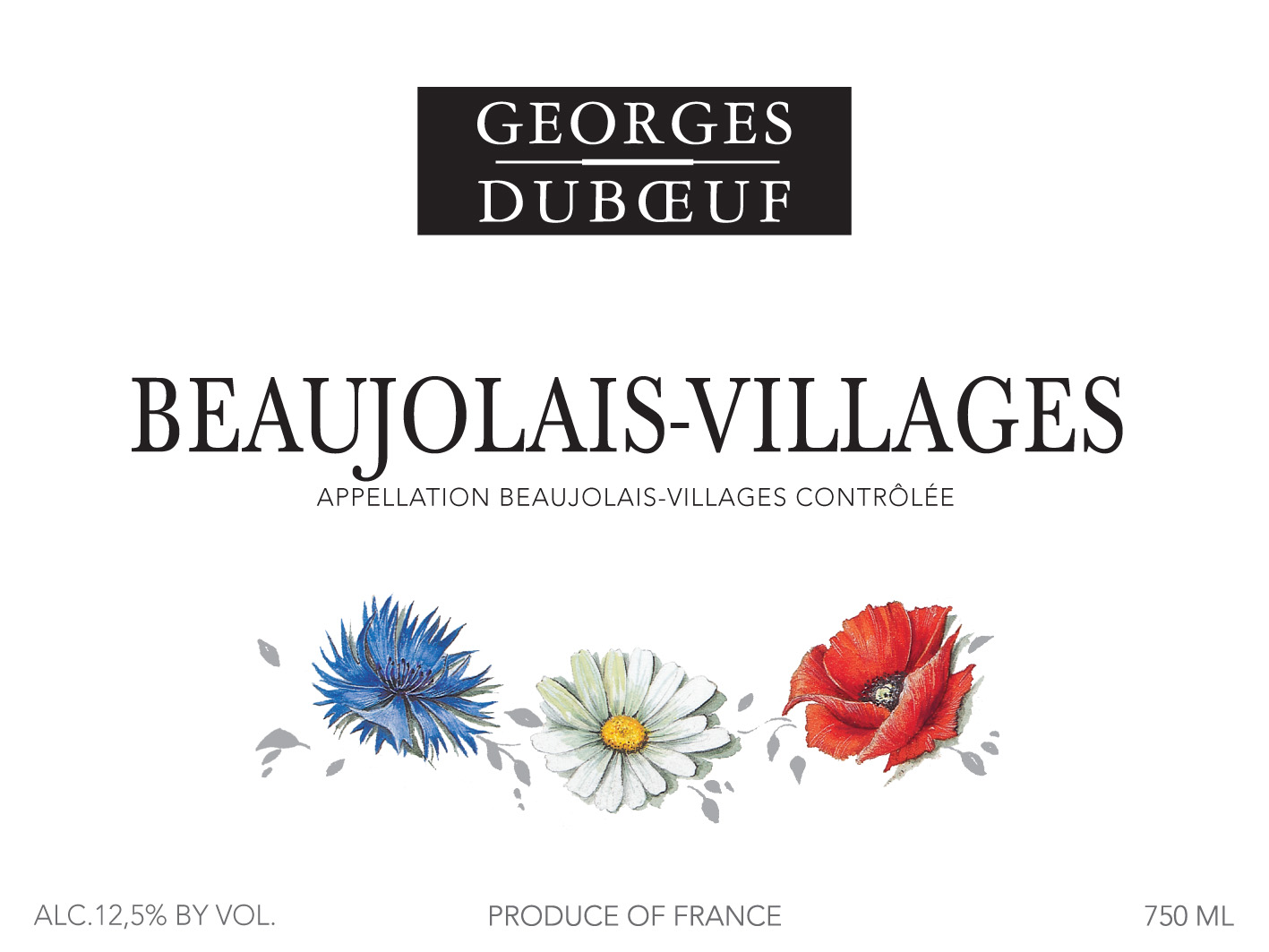
Georges Duboeuf 2010 Beaujolais-Villages – The Gamay grape can be a stinky mess at times but the last two vintages from 2009 and 2010 have provided a great example of how quaffable (that word again!) this wine can be during a good vintage and in the hands of the best winemakers.

The 2010, which won’t be released in retail until later in the year, offers a hint of cherry/strawberry and a nice earthiness without the often-typical Gamay funk.

Beaujolais is a wine you should try for the price point. Go for the Crus and avoid the fall Nouveau. A lot of people are going to like this wine. (Georges Duboeuf Beaujolais-Villages, Trade Sample, you’ll find this wine around the $10 price point and up everywhere, Recommended)

Cooper Mountain 2008 Reserve Pinot Noir – Wow! What a great bottle of Pinot Noir.

This is a lovely Cooper Mountain Pinot with great balance and an uber-smooth finish. You’ll get cherry, strawberry and a hint of spice in this real beauty. Robert Parker gave this wine a coveted 90 points – it’s not hard to see why.

For those casual wine fans, the 2008 Willamette Valley Pinots are considered one of the best vintages ever from Oregon. I’ve tasted a handful, and will taste a lot mroe when I travel there this summer, but so far all have been outstanding.

In my experience with Oregon Pinot, you normally would have to hit the $30-$35 price point for Pinot this good! (Cooper Mountain 2008 Reserve Pinot Noir, $19.99-$22.95, Highly Recommended)
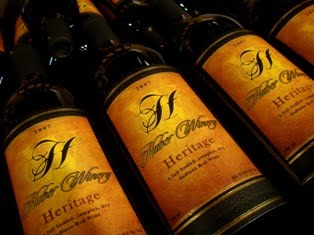
Huber Winery 2008 Heritage – I don’t review a lot of Indiana wine on the blog but Huber Winery often deserves some platitudes. The 2008 Heritage is a blend of 50 percent Cabernet, 40 percent Cab Franc, and 10 percent Petite Verdot. The interesting thing is all three grapes in this wine are grown on the sprawling Huber operation near Louisville, Ky., on the Indiana side of the river at Starlight.

The wine is delightful. I’ve long said Huber makes some of the very best red wine you’ll find in Indiana. They have a litany of awards to prove others agree. This is a red wine you’ll think could have come from California or perhaps Australia.

Hubers’ Heritage is a nice pick for Hoosiers looking for an Indiana red wine option. (Huber 2002 Heritage, $18.99, Recommended)
Qupe 2008 Marsanne – I love California Central Coast wines and Qupe makes really great Syrah. So when Ashley at Cork & Cracker in Indy had a special on the Qupe Marsanne I had to pick up a bottle.

First, this isn’t a wine for every wine drinker. The Santa Ynez Valley grapes are 81 percent Marsanne and 19 percent Rousanne. For newbies, those are traditional French Rhone white grapes.

There is a hint of peach or apricot but the most distinguishing characteristic is a bitterness that is going to be off-putting to casual wine drinkers and some frequent imbibers!

If you want to try something different, this one definitely fits that bill! (Qupe 2008 Marsanne, $18.99, Recommended – for the adventurous!)

Send comment or questions to: hewitthoward@gmail.com
What a Great Story Behind Colby Red Wine

Few industries have proved more generous in recent years than the wine industry. Wine auctions across America raise millions of dollars for great causes annually.

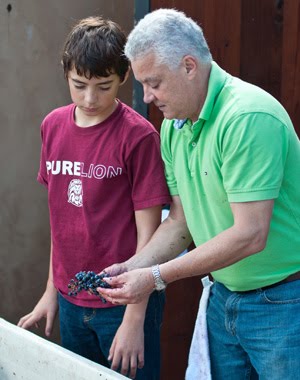
But the story of 13-year-old Colby Groom touches the heart in a way different than corporate charitable efforts. When Colby was barely 10 years old he had back-to-back open heart surgeries. His remarkable recovery and generous spirit now drives his father and others to raise money for charities that promote heart health.

After recovering from the life-threatening challenges, Colby now promotes a red wine blend bearing his name – Colby Red. The boy asked his famous winemaking father if they could make a wine to help raise money for Heart Disease charities.

Daryl Groom is certainly no doting father humoring his ill son. Groom is a world class Australian winemaker who worked for Penfolds before coming to the U.S. in 1990 to work for Geyser Peak and Beam Wine Estates.

The project really took off after a February appearance on NBC’s Today Show. With Walgreen Drugstores on board as a national corporate partner, suddenly 20,000 cases of a California red wine blend didn’t seem like enough.

“Honestly we have been blown away and are quite humbled by the tremendous support Colby Red has received from consumers, trade and media,” Daryl Groom told Grape Sense. “People love the wine and they really want to support the cause. We get lots of emails and Facebook messages daily.

“Because of the support so far this year we have raised $115,000. This is a far cry from the $500-$1,000 my son and I were hoping to raise when he first conceived the idea. Of the $115K raised we have donated $72,000 and quite an additional amount of product to heart related charities across the country.”

The wine, with a suggested retail price of $12.99, can be found in wine shops, liquor stores, and in Walgreen stores across the nation. Of course with a “suggested” retail price, don’t be surprised if you find the wine at a lower cost.

All of the project’s profits go to Colby’s charity. But for a proud dad, there’s more to this project than selling a lot of wine for a good cause.
“Aside from raising the money for worthy charities, which puts a huge smile on our faces, my family has been rewarded immensely in watching our son Colby grow with the process,” Groom said. “From being so fragile post-surgery to a young man who gets on stage at heart benefit balls around the country and confidently and proudly tells his story to help others.”

You can learn much more about Colby Groom, the wine, and the project at colbyred.com and on Facebook at Colby Red Wine.

Howard’s Pick:
Colby 2009 Red Blend, $12.99
– There are no excuses not to try this fruit-forward red wine if you live near a Walgreens. The wine is a cuvee of Cabernet Sauvignon, Zinfandel, Shiraz, Merlot and Petite Sirah. It’s big fruit with soft edges and very enjoyable finish. And by the way, it’s a very smooth and wonderful glass of red wine!

Send comment or questions to: hewitthoward@gmail.com

Vintage Indiana this Weekend in Indy

For those in Central Indiana or nearby, it’s a great weekend to head to Indianapolis.

Vintage Indiana “a Festival of wine, food, and fun” has become one of summer’s biggest events. I have not been able to attend in recent years because of a work conflict that always seems to hit the same weekend.

But it’s great to go visit with all the Indiana wineries and taste their wines. It’s also a unique experience to not just taste the wines, but often it’s the winemaker pouring them.

Here is all the information you need on the Vintage Indiana website!

Send comment or questions to: hewitthoward@gmail.com

Reviews: A Variety of Good Wine Choices

It’s been two weeks since my last batch of wine reviews and I’ve sampled some interesting and very enjoyable wines over that period.

Here is my periodic quick review of wines I’ve been drinking.

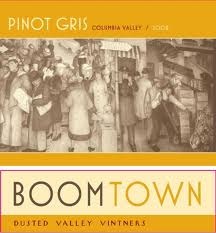
Boomtown 2009 Pinot Gris – This Washington state Pinot Gris is a beautiful white wine. The wine has nice round peach and honey dew melon. The acidity is very well balanced for a Northwest Pinot Gris.

Oregon and Washington make some beautiful whites. Some are going to be a bit acidic for many palates but not this one. You won’t find a nicer Washington or Oregon Pinot Gris for the price. (Boomtown 2009 Washington State Pinot Gris, $12, Recommended)

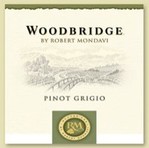
2010 Woodbridge Pinot Grigio – The Robert Mondavi value label delivers for a nice light white wine. The blend is low in alcohol at just 12.6 percent. The grapes are 76 percent Pinot Grigio with 21 percent aromatic varieties (unnamed), and 3 percent Sauvignon Blanc.

This is really a nice glass of wine for the price point. I enjoyed the light grapefruit and lime and mild acidity. This is a really good value buy that shouldn’t be hard to find at all. (2010 Woodbridge Pinot Grigio, $7.99, Trade Sample, Recommended)

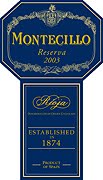
Montecillo 2003 Reserva – This wonderful Temparnillo-based Spanish wine comes from one of the countries oldest wineries. The Rioja has dark cherry and spice galore. While most consumers have enjoyed Spanish wines at the $10-$15 price point, this Reserva will illustrate the bold and beautiful balanced palate pleaser these wines can become. The Reserva bottling consistently scores 89-91 points from the major print wine publications. (Montecillo 2003 Reserva, $19.99-$22.99, Trade Sample, Recommended)

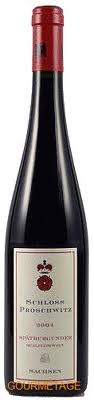
Schloss Proschwitz 2008 Spatburgunder – First, it’s unlikely you’re going to find this wine but I’m writing about it to make another point. This bottle of German Pinot Noir was delightful. But it was a gift from a German friend hand carried from Deutchland. It appears to be distributed in the U.S. but that’s not the point.

Just by chance, I’ve had two different Spatburgunders in the last few weeks and both were surprisingly good – light Pinot Noir with a nice cherry flavor and quite smooth. This wine retails at approximately $18. Try a German Pinot Noir or Spatburgunder as a Highly Recommended wine.

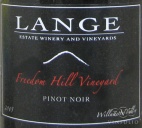
Lange 2005 Freedom Hill Vineyard Pinot Noir – This is no Tuesday night wine! As a Pinot with a few years to mature it has dark blueberry, blackberry and a smoky spice type characteristic. And the wonderful earthiness is what makes this such a great wine for my taste.

I’ve read so many wine reviews where writers extol a wine’s silky finish unsure if I’ve ever had the same experience. Now, I can say I have had a wine with a truly silky texture in your mouth and down the pipe. Lange is one of Oregon’s absolute premier producers and, admittedly, one of my favories. (Lange 2005 Freedom Hill Vineyard Pinot Noir, $60, Very Highly Recommended)

Send comment or questions to: hewitthoward@gmail.com

Concannon Adding Red Blend to Conservancy Lineup

Tags

, ,

Concannon Vineyards and Winery will introduce a fifth member to its four-wine Conservancy lineup this summer to honor family patriarch Jim Concannon. The Conservancy wine grapes come from a land trust the Concannon family helped establish in California’s Livermore Valley.

The wine industry has long been a leader in organic farming, sustainable farming practices, and even biodynamic farming. A group of select vintners have moved beyond taking care of the land while farming and have placed vineyards into a Conservancy to protect the land from its biggest enemy – suburban sprawl.

The Tri-Valley Conservancy takes permanent ownership of the land but the vintners retain the right to farm the land while it’s protected from development. Currently, there are more than 3100 acres of vineyard in the conservancy.

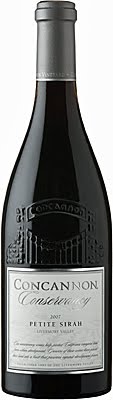
Concannon Vineyards has been a leader in the movement. America’s oldest continuously operating winery, under the same family name, produces a line of wines with Conservancy on the label. The slightly-more than one-year-old project features grapes grown in the Livermore vineyards that have been placed in the trust. Concannon has produced a Chardonnay, Merlot, Cabernet Sauvignon, and their flagship Petite Sirah under the Conservancy label.

John Concannon, visiting Indiana this week to work with distributors and retailers, conducted just one media interview and told Grape Sense a fifth wine will be introduced in July. “Crimson & Clover” will become the newest wine joining the Conservancy lineup. The wines all sell for less than $15.

“Crimson & Clover” will honor John’s father Jim Concannon. Jim is the third generation and grandson of Irishman James Concannon who came to the U.S. in 1883 and acquired what is now the family vineyard property. Jim Concannon is best known for planting the country’s first Petite Sirah in 1961. The family is celebrating the intense little wine grape’s 50th anniversary this year.

“Crimson & Clover” is going to be a living tribute to my father; my living tribute to my Dad,” John Concannon told me Monday night. “It’s going to be 50 percent Petit Syrah and he’s the originator of Petit Syrah so I want it to be a living tribute.”

The wine will follow current popular trends of red wine blends. The “Crimson & Clover” Conservancy wine will be 50 percent Petite Sirah with Cabernet Sauvignon, Syrah, and Zinfandel as part of the blend. It also will sell for less than $15.

The wine will be released in the distinctive Conservancy bottles but will feature a red label. The red represents the Petit Syrah, Jim Concannon’s signature wine, while the clover represents the family’s Irish heritage.

“He’s a great man and he’s very humble, to him it’s all about family,” John Concannon said. “Family, God and country he says, in that order. His life is his family and his work. I think that’s why he’s still sharp at 80. He loves what he does.”

Jim Concannon is at the winery and in the vineyards each day. In recent years, John has persuaded his father to write about the family history, his years developing Concannon wines and working with some of the state’s best known family wine names.

They’ve produced a beautiful coffee table photo book about Concannon Vineyards. John spends about a third of the year on the road working with distributors, retailers, and press to tell the Concannon story.

Still, John’s tone changes a bit and he struggles a little for the right words to talk about the personal importance of adding “Crimson & Clover” to the Conservancy wine list.

“We’ve got the four Conservancy wines,” he said. “We have the vineyard and the Conservancy and it’s doing good and it feels good. I just want it to be a living tribute.”

Concannon wines are distributed in all 50 states. Look for “Crimson & Clover” later this summer. Meanwhile, the Conservancy wines are outstanding value buys for under $15.

Tasting Notes from Dinner with John Concannon:
2009 Conservancy Chardonnay, $15
– Even as a non-Chardonnay drinker I found the Concannon very nice white wine. You get the hints of American and French oak but its not nearly as overpowering as so many California Chards. It had pleasant hints of pear with a creamy palate texture. A nice soft finish will please most Chard fans, especially those who prefer less oak or stainless steel over oak. Recommended!

2008 Conservancy Merlot, $15 – I won’t drink any “fricken” Merlot may be a thing of the past. I liked the Concannon Merlot more than I ever would have expected. I admit, I’m one of those “Sideways” people. The secret just might be that 10 percent of Cabernet added to give the wine “a little kick,” as John suggested. I got blackberry and something like a caramel hint from this wine. Recommended!

2008 Cabernet Sauvignon, $15 – I’ve written hundreds of times it’s hard to find good Cab at $15 and under but add this one to your list of exceptions! The wine had full body, nice tannins on the finish preceded by all the dark fruit and spice you’d expect from a Cabernet. The blend includes a little Syrah and Petit Verdot. Highly Recommended!

2008 Petite Sirah, $15 – Jim Concannon was first to plant this grape in California. They give a large portion of their vineyard land to Petit Sirah – so you’d expect this flagship wine to be pretty darn good and it doesn’t disappoint. Petit Sirah is not for beginners or the faint of heart. But you’ll get big chocolate, coffee and ripe fruit hints from the this big boy! I loved the soft and smooth finish. This is one exceptional bottle of wine for $15. Very Highly Recommended!

Send comment or questions to: hewitthoward@gmail.com
Jim Butler One of Indiana’s Winery Leaders

BLOOMINGTON, In. – Every state has its wine pioneers, those brave souls who started turning grapes to wine when no one else would.

It’s easy to come up with California’s iconic brands like Gallo, Mondavi, Fetzer, and so many more. But can you name Indiana’s leaders? Names like Oliver, Thomas, Easley, Huber, and Butler are sure to be on just about anyone’s list.

Jim Butler, Butler Winery and Vineyards, got his start at Oliver in 1976 and then after about six years opened his own winery just north of Bloomington. Today, he has tasting rooms in downtown Bloomington and Chesterton. The third tasting room is at his vineyard and winery just a few miles north of Bloomington.

“Our focus has always been doing Indiana-grown grapes,” Butler said. “There are a lot of wineries that establish their name, but base things on California grapes. There are Indiana wineries that do that. But my philosophy has always been ‘as long as we’re bringing grapes in from California and using the names Cabernet and Chardonnay we’re promoting California not Indiana.’ ”

Butler has proven to the world he knows how to make fine wine equal to any California producer. He holds the honor of being the first Indiana winery to ever win one of the top five awards at the prestigious Indy International Wine Competition. Butler’s 2008 Chambourcin Rose’ was named best Rose’ in the 2009 international contest. The annual competition draws more than 3,000 wines from 10 different countries.

“We sold out of that one very quickly and we raised the price twice,” Butler laughed. “That just kind of established the fact it can be done. I don’t know how long the good will lasts but it definitely is good for credibility.”

Butler started at its downtown Bloomington location in 1983 and then expanded to its current winery/vineyard site in 1991. The Chesterton tasting room opened in June 2008. Butler produces more than 2,500 cases annually.

The grape varieties he grows and buys from other Indiana vineyards includes Cayuga, Vignoles, Chardonel, Chambourcin, Traminette, Catawba, and Concord. He also makes a few fruit wines from Indiana growers.

“I think clean and fresh (describe our wines),” he said. “We try to never put anything in the bottle we’re not proud of. No matter where you go, what state, you’re going to find wines and wonder why they bottled it. That’s something I’ve always tried not to do. We’ve always focused on good sound quality.”

Butler wants to increase his red wine lineup and he’s looking north for one of the possibilities. He recently planted Marquette, a grape developed by cool climate guru the late Elmer Swenson from the University of Minnesota.

“It’s an early grape, a cousin to Frontenac, but the Marquette has a better tannin structure,” Butler said. He hopes to make a 100 percent varietal bottling of Marquette. The wine is usually described as one with a cherry, berry, black pepper, and spice smell and flavor.

Howard’s Picks:
2009 Chambourcin Rose’, $13.95
– All of the 2008 top prize winner is gone but this remains a beautiful Rose’ wine. You get hints of cherry and even apple from Butler’s signature wine.

2009 Chambourcin, $18.95 – This really nice dry red wine, aged in French Oak, is at the top of Butler’s price point for grape varietal wines. But it’s worth every penny. I’ve tasted a lot of bad Indiana Chambourcin and a few pretty good ones. Butler’s Chambourcin ranks near the top.

Marion Chronicle-Tribune Joins Lineup

The Marion Chronicle-Tribune in northeastern Indiana has become the 17th newspaper to run my Grape Sense wine column.

Editor David Penticuff is an old friend who was anxious to add the column to his Sunday paper’s lineup. The C-T has more than 20,000 subscribers for its Sunday edition.

When I started the whole wine writing adventure 2.5 years ago I had a goal of 20 newspapers. A year ago I wasn’t optimistic but now at 17 I can see it’s possible. It’s been rewarding to get the feedback from various communities and also that no paper has dropped the column since I got started.

Thanks for reading the blog: Grape Sense – A Glass Half Full and for the newspaper readers of Grape Sense!

Send comment or questions to: hewitthoward@gmail.com
A Thumbs Up/Down for Two Pinots; Thumbs up On Syrah

The next great thing is always a lot of fun to pursue whether its technology, celebrity, or wine.

Many believe one of the next great things in wine will be Pinot Noir in Chile. Well … I’m still waiting.

Quintay Clava Costal Reserve Pinot Noir $13.99 – I actually liked this Pinot quite a bit. It had remarkably bright red rasberry/strawberry notes on the palate in a light Pinot style.

The grapes come from Chile’s Casablanca Valley and are turned into pretty good juice for the price by Vicente Johnson. eRobert Parker awarded the wine a very respectable 88 points.

(Quintary Clava Coastal Reserve Pinot Noir $13-$17, Recommended)

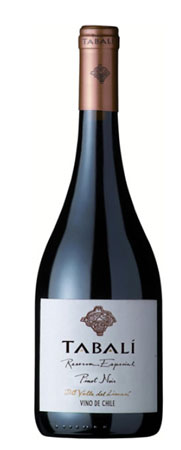
Tabali Reserva Especial 2009 Pinot Noir $19.99 – When I dislike a wine or open a bad bottle I seldom write about it. After all, I figure most blog readers are looking for the good stuff. But this wine remains a bit of a mystery.

Noting my curiousity about the ‘next big thing’ I’ve wanted to find some good Chilean Pinot Noir. I’ve had several wine friends recommend the Tabali. It’s widely available at a reasonable price for good Pinot Noir.

The bottle I recently opened was so off, with a bit of a chemical taint, that I couldn’t quite tell whether it was the wine or if something had gone bad. Normally, I can figure that out pretty quick.

(Tabali Reserva Especial 2009 Pinot Noir, $19.99, Jury Still Out)

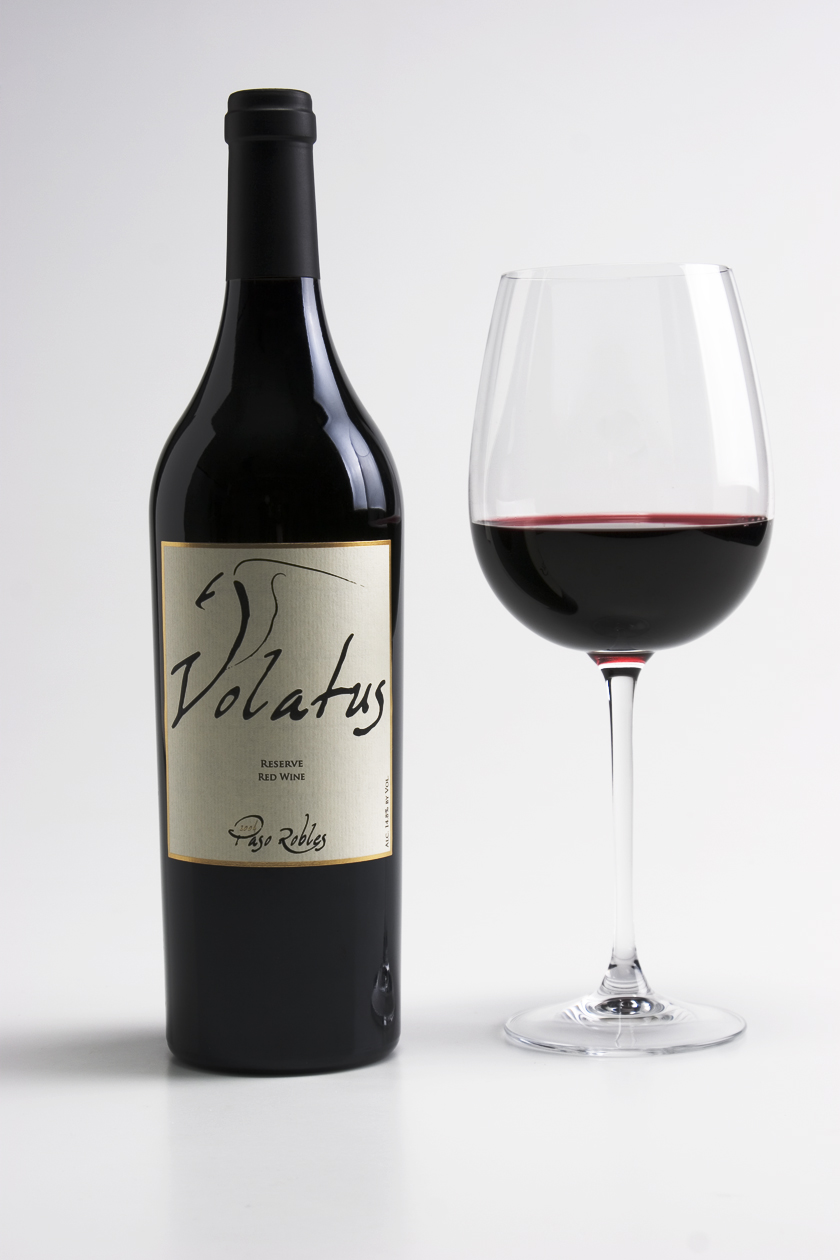
Volatus 2005 Syrah/Malbec Blend, $30.00 – This was a wonderful small-production wine from Paso Robles that rocks huge flavor, nice balance, AND a powerful punch. Wine drinkers who like big flavor, will love Paso Robles Syrah and Syrah blends.

The wine hits your palate with a wallop of dark fruit like blackberry. The tannins hang around awhile for a beautiful finish. You’ll also get some earthiness like you do from all the great wine growing regions.

Volatus would be very tough to find in the Midwest. The reason I include it is to suggest Syrah, Zinfandel, and bigger flavored wines from Paso Robles just rock.

I also include it for those of you who might do wine travel. I joined a Paso Robles wine club. That’s how I got this wine. If you travel to an area and taste great small production wines, find someone that ships to your state and sign up. If you can get it direct from the winery, those folks get more of the revenue. And that’s another good thing!

(Volatus 2005 Syrah/Malbec Blend, $30, Highly Recommended)

Send comment or questions to: hewitthoward@gmail.com
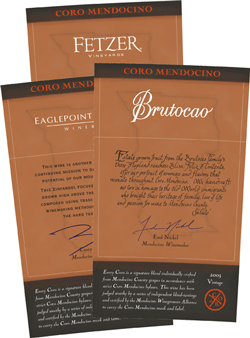
Read Coro Mendocino Story on Palate Press

One of the coolest things to come out of my January trip to California’s Mendocino wine region was learning about Coro Mendocino.

I have written a story for the national online magazine Palate Press. It went live Monday. Here is a direct link to the story.

The wines can be a little tough in the midwest though a few of the wineries do ship direct. A full list of the participating wineries is included in the story.

The wines were awesome but no two were alike. I tasted them very late on the evening of my flight to the coast. So I can’t offer much detail from that wonderful, but certainly jet-lagged, dinner.

I hope to get a few of the Coro wines in the near future for review.

Send comment or questions to: hewitthoward@gmail.com
Value White Wine Picks for Summer

How can you go wrong with something light, refreshing, and affordable?

Summer time is white wine time for most wine-consuming Americans. There are so many affordable choices that are easy to find it would take two or three columns to list them all. Instead, here is a list of some of my most-recent favorites.

These wines are all available in Indiana and Illinois or will be soon.

Woodbridge 2010 Sauvignon Blanc ($7.99) – This should be easy to find and even easier to drink. It’s a very light bodied Sauv Blanc with citrus and tropical fruit. The acid is milder than most Sauv Blancs. It’s actually a blend of Sauv Blanc, French Colombard, Semillon, and Verdelho. Try it all alone or with white fish.

Argiolas Costamolino 2009 Vermentino ($15.99 and less) – A very nice bouquet is followed by a mouthful of citrus and pineapple. It has a nice acidity that makes this Italian beauty pair well with food. Wine Advocate gave this light-colored wine 89 points.

Buried Cane 2009 Chardonnay ($14.) – This Washington State unoaked Chardonnay is a stunner for $14. The grapes come mostly from the Columbia Valley region. This would be great on the porch on a summer evening or with light fare. You’ll get hints of peach on this light and fruity wine. Currently available in Illinois and very soon in Indiana. Buried Cane is a great label with consistent wines.

Helfrich 2009 Riesling ($14.99) – This is an old French winemaker from the Alsace region that offers a beautiful Riesling for the price. Many U.S. Rieslings are a bit on the sweet side but the Helfrich gives you nice crisp green apple and medium acidity. I’d call it a ‘not too sweet, not too dry” type of wine.

Flipflop 2010 Pinot Grigio ($7) – Easy to find at an incredible price. This light-bodied white gives you a hint of pear and a nice clean finish. Pasta with white sauces, light snacks on the porch, or even a glassful on a hot day would be a great pairing!

E. Guigal 2009 Cotes du Rhone Blanc ($12) – For you Francophiles here is an inexpensive white wine than anyone can love. It’s mostly Viognier along with several lesser known Rhone white varietals. It’s certainly floral and a great pairing with spicy dishes.

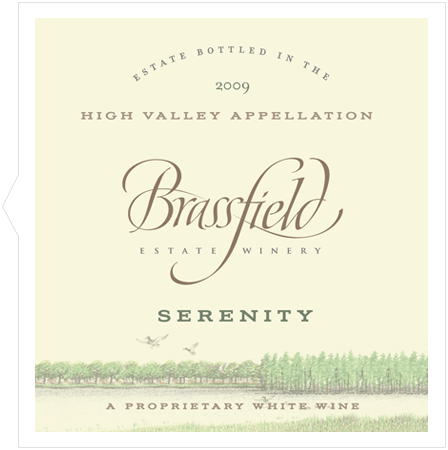
Brassfield Estate Winery 2009 Serenity ($9.99-$14.99) – This was one of the nicest white blends I’ve tasted in years. The Napa wine is a blend of Sauvignon Blanc, Pinot Grigio, Gewurtztraminer, and Semilon. You will taste the honey dew melon on the palate and nicely balanced acidity. It’s a very well-made and refreshing white wine.

Again, all or most of these whites should be easy to find at any wine shop or well-stocked liquor store. But if these aren’t on the shelves here are some additional suggestions.

Try Torrontos, it’s the latest rage out of Argentina. The wines are ‘hot’ right now with wine fans. They are very inexpensive and feature a very floral scent with a fruity texture. Check the alcohol level before buying one though, I’ve found some Torrontos higher than most whites in alcohol content.

I’ve written before about Spanish and Portugal’s Albarino. It’s one of my favorite white grapes. It’s lean and crisp with a minerality that is a great thirst quencher. Great bottles can be found under $15.

Finally, here’s another plug for Indiana Traminette. Most Indiana wineries make a Traminette in a sweet to semi-sweet or semi-dry style. It will remind regular wine drinkers of a Gewurtz, but if you’ve never tried or heard of that think of a mildly sweet wine that is very floral.

Send comment or questions to: hewitthoward@gmail.com