• About
  • Indiana Wineries
  • Michigan Wineries
  • Wisconsin Wineries

Howard W. Hewitt

~ … The "W" stands for wine!

Howard W. Hewitt

Category Archives: Newspaper Column 2014

Buy Your Winos a Decanter

24 Wednesday Dec 2014

Posted by Howard in Aerators, Gizmos & Wine Gadgets, Holidays, Newspaper Column 2014

≈ Leave a comment

Tags

Chabis, decanters, Decanting wine, Pinot Noir

Tis the season and holiday shoppers often find themselves grabbing last-minute gifts. If there is a wine drinker on your list pay attention – don’t buy them wine.

Grape Sense LogoThat’s right, for the serious red wine drinkers on your Santa sheet wine is probably not a good idea. Now, if you know wine and know the wine drinker well enough to understand what they really enjoy go ahead.

But every holiday season retail shops get bombarded with well-meaning customers wanting recommendations on wine as a gift. If you insist, there will be a few recommendations at the bottom of this column.

Instead of the fermented grape juice buy your friend or family member a great wine-related gift. There is one choice any wine drinker will appreciate and could use whether they know it or not. Almost any wine at any price point will benefit from decanting.

Decanters come at every imaginable price point. You can find a decanter at your local home store for around $20 or even less. You can shop the traditional wine glassware companies and pay more. You can buy a Riedel decanter at all price points all the way up to more than $1,000. The top end are hand blown in the original Austrian factory.
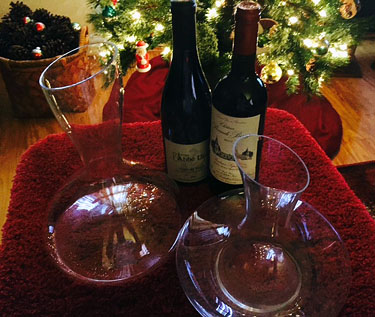
Decanters come at all price points.

Decanters come at all price points.

Wine is decanted to add oxygen and allow the wine to ‘open up’ after all of that time in the bottle. This is particularly true for young wines – inexpensive or pricey.

Purchase a decanter with a large bowl. Those work best. Decanting wine can also lead to lots of questions about sediment. Some sort of strainer is often necessary when decanting or serving the wine from the decanter, especially for older wines. That stuff won’t harm you but it’s going to be bitter. Many aerators come with some sort of filter to take care of that problem.

A young, lighter-style wine will really benefit from 30 minutes to an hour-long decant. A big red wine, like Cabernet, up to two hours. Some wine, like an Italian Sangrantino, may require several hours.

A great lesson in learning more about wine can coincide with the decanting process. First, open a bottle of wine and pour a taste. Make mental notes of what the wine was like. Then pour a small taste again an hour later. The wine will be different and probably better tasting, less astringency and more pronounced fruit.

Older wines often require less of a decant and more attention to sediment. The taste test is important to learn what works best for your palate.

Now, if you insist a bottle of wine is a nicer gift than glassware go ahead and buy a bottle or two. If you know your friend or family member really likes wine but you have no idea what to buy, play it safe. Pinot Noir at the $20 and up price point makes an excellent gift. If they drink white wine try finding an unoaked Chardonnay. There are many good labels of unoaked Chard around $15.

If you’re willing to splurge buy Pinot at the $40-$50 range for great wine. But French Chablis for the white drinkers at about the same cost.

Merry Christmas and a very Happy Holiday toast!
Share this:

  • Click to share on X (Opens in new window) X
  • Click to share on Facebook (Opens in new window) Facebook
  • More
  • Click to share on LinkedIn (Opens in new window) LinkedIn
  • Click to email a link to a friend (Opens in new window) Email
Like Loading...

Host Holiday Party for Charity

18 Thursday Dec 2014

Posted by Howard in Newspaper Column 2014, Oregon

≈ Leave a comment

Tags

Holiday Party, iSalud, Oregon wine, Pinot Gris, Pinot Noir, Winderlea Winery

There is never a better time for a nice bottle of wine than around Christmas and New Year’s. Why not try something different and make your holiday party festive for your friends and helpful to a community cause?

Every community across our nation has a good a good cause or organization thatGrape Sense Logo can use your support. Recently a group of friends held a wine tasting, encouraged a set donation, and then made contributions to two different good causes. The group supported a local health clinic and a health care initiative in Oregon providing coverage for migrant vineyard workers.

Here is how it worked. The three leaders decided to pour Oregon wines since part of the proceeds would go to an Oregon-based charity. The wine lineup included two Pinot Gris wines under $20 and four Pinot Noirs. The Pinot Noir wines ranged from $22 to $55 a bottle.

Now the group has some real wine geeks and they provided the wine knowledge during each pour. We had a great lineup of small bites including flat breads, pâté and the usual assortment of cheese and crackers.

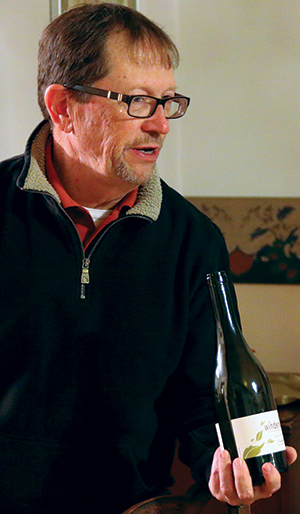
Talking about iSalud and Winderlea wine

Talking about iSalud and Winderlea wine

We used social media friends’ lists and personal connections to invite people to the wine tasting/philanthropy event. We had a spokesman for the local health clinic in our group. He gave a five-minute presentation on what the local clinic was all about and then it was back to the wine.

Essentially, it was a wine event for a good cause.

The organizers bore the cost of the wine and food, though we may look at a way of writing that into the cost in future events. What you can suggest as a donation is different in every community but our group gave $50 per person – all of which went to the two charities. We ended up with a nice-sized group for the evening and raised more than $700 to split between two charities.

You don’t need some “real wine geeks” to host a party either. Just generate some conversation about the wine. What did it smell like? What flavors do you taste? What do you like or dislike about the wine? What food would pair with the wine? Take a few moments and do an internet search on each wine you’re going to pour and you’ll find plenty of talking points.

And pick any wines you like at any price point but be sure to try something new and something different.

Our group is already planning ahead for February. The next event is shaping up to be big red winter wines and supporting local summer youth sports.

In seven years of wine writing the one thing I’ve learned over and over is people do want to know about wine and actually talk about wine. There is no better way to do it than in a festive social setting.

Great wine always leads to great conversation. When the combination can benefit a good cause, everyone comes out a winner.

Cheers!

Share this:

  • Click to share on X (Opens in new window) X
  • Click to share on Facebook (Opens in new window) Facebook
  • More
  • Click to share on LinkedIn (Opens in new window) LinkedIn
  • Click to email a link to a friend (Opens in new window) Email
Like Loading...

Holiday Wine Picks Not That Tough

27 Thursday Nov 2014

Posted by Howard in Food & Travel, Newspaper Column 2014

≈ Leave a comment

Tags

Thanksgiving, Thanksgiving wine pairings, Turkey

Thanksgiving is a time for family, memories, and sharing great meals. It’s also a time for family squabbles, uncomfortable moments, and shouting matches.

Okay, that’s a bit harsh but annually holiday gatherings can have their moments of tension. Why add to the tension by over thinking the menu or the wine choices? Keeping it simple is never better advice than around the holidays.

Grape Sense LogoThe ‘annual Thanksgiving wine column’ is a staple for every wine writer. Today’s “Thanksgiving column’ is my seventh so I decided to look over advice and offer a ‘best-of” remarks for the holiday bird and juice match up. After all, there are only a few different ways to suggest the same wines.

“Thanksgiving is about family so make it a festive occasion,” I wrote back in 2011, still good advice. “Try a light sparkling wine before the big meal. It’s sure to be a hit. Look for a Spanish Cava, Italian Prosecco, or Gloria Ferrer’s delightful Sonoma County sparklers. For something really festive and delicious, I love Banfi Rosa Regale. The Banfi wine sells for right at $20, has just seven percent alcohol, and is delicious.”

It’s hard to improve on that start to your dinner or holiday wine recommendations.

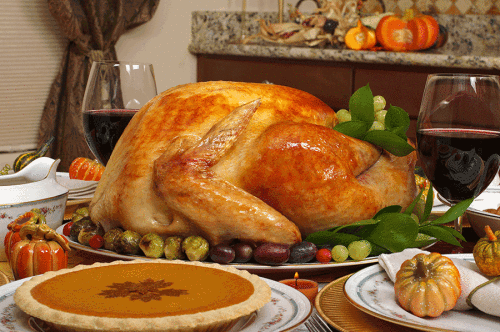
turkey-and-wine-500x332Back in 2010 the column was largely about traditional Thanksgiving whites like Riesling which offers nice fruit and balanced acidity for foul. The great thing about Riesling is the availability. Any wine shop, and most grocery stores and liquor shops, will have a Riesling. New York’s Finger Lakes and upper Michigan wineries all produce great Riesling. If you want the classics look to the German Mosel region and France’s Alsace versions.

A really great choice, and personal favorite, is unoaked Chardonnay. More specifically, a premier cru or grand cru Chablis is unparalleled at the Thanksgiving table. The rich fruit along with the crisp acidity and mineralality mixes perfectly with the bird and most of the side dishes. Good Chablis of such pedigree will set you back at least $25-$30 for starters. There are many Chablis wines, non appellation specific, for under $20. But give the cru wines a try for an important family holiday meal.

Indiana’s signature grape Traminette also works well if you like sweeter wines. Gewurztraminer was a very fashionable pick for years but Traminette substitutes nicely. You can enjoy a floral, light-bodied wine and support Indiana’s wine industry. I prefer the drier versions of Indiana’s Traminette but they can be hard to find. Most Indiana Traminette has substantial residual sugar. A few wineries, like Turtle Run, Corydon, and others are producing Traminette in a dry version now days.

Pinot Noir is an easy red pick for your turkey and dressing but I prefer Beaujolais Grand Cru wines if I’m having red. No, we’re not talking about the gimmicky Beaujolais Nouveau wines but the Grand Cru wines which have some oak aging. There are 10 Beaujolais Grand Cru wines and all are reasonably priced in the mid to upper teens. Gamay is the grape of Beaujolais and it offers a wonderful light bodied wine with a wisp of earthiness that pairs well with the bird.

Happy Thanksgiving!

Share this:

  • Click to share on X (Opens in new window) X
  • Click to share on Facebook (Opens in new window) Facebook
  • More
  • Click to share on LinkedIn (Opens in new window) LinkedIn
  • Click to email a link to a friend (Opens in new window) Email
Like Loading...

Order Restaurant Wine Carefully

17 Monday Nov 2014

Posted by Howard in Food & Travel, Newspaper Column 2014

≈ 1 Comment

Tags

ordering wine, restaurant wine

Occasionally a wine story makes the news beyond the tiny world of wine media. There has been a quirky, and unfortunate, story dominate wine chat the past few weeks. It’s a story of blindly ordering wine, questionable motives of a server, and a wine tab of nearly $4000.

First, the basics of the story which have been widely reported through numerous media outlets. Joe Lentini was with a group of associates at the Bobby Flay Steak restaurant at the Borgata Hotel Casino & Spa in Atlantic City, N.J.

Grape Sense LogoSomeone at his table of 10 asked him to order the wine. Joe, admittedly not a big wine guy, asked for advice. He asked for ‘something decent.” The server pointed to a bottle on the menu, which Joe couldn’t read because he forgot his glasses, and agreed.

But here is where the story takes a twist. Joe asked how much the wine cost and the server responded, “Thirty-seven fifty.”

See where this is headed?

The group enjoyed dinner and thought the wine was okay. Dinner is completed and the check arrived including a wine tab for one bottle of 2011 Screaming Eagle cabernet for $3,750.00 – not $37.50.

The diners complained they were misled by the server but the restaurant would not yield. They did bring the wine cost down to $2,200 which Joe and another diner split the cost. Everyone at the table confirmed Joe’s story.

I found the wine on numerous internet sites ranging from $1,300 to $2,100.

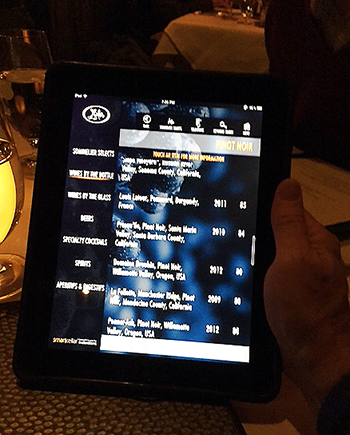
Check those prices carefully

Check those prices carefully

The incident sent the wine media all a Twittter (pun intended).

The restaurant stands by its employees. The Bobby Flay restaurant serves plenty of high-end diners and sells lots of high-end wine. But the mistake here is pretty clear. The server responded “thirty-seven fifty” when “three-thousand, seven-hundred, fifty” would have been much more appropriate.

The story is an opportunity to review some of the basics of ordering wine in any restaurant, but especially high-end spots.

First, fine-dining restaurants depend on wine revenue. The standard markup on food is small compared to the 100 percent and more markup of a bottle of wine. Casually taking a recommendation at a high-end establishment should never be as risky as it was in Jersey that night.

Still, know what you are ordering. A good server would have asked the diner if they had a price range and the incident would have never happened. There is nothing wrong with giving a waiter or wine steward a price point when ordering. Look at the wine list and find a price you are comfortable with before asking for a suggestion.

The final step in making sure you get what you ordered is to pay attention to the details on the wine list and make sure they match when the bottle is brought to the table. Things like the region in Napa, or wherever, and definitely the vintage year can significantly affect price on more expensive wines.

The final restaurant wine tip is an old one and a bit dubious but I have found it consistently accurate. Don’t order the cheapest bottle because no one wants to be that person. Some restaurants will actually mark up their cheapest bottles for a larger margin than moderately-priced bottles. It doesn’t take a degree in economics to figure that one out – they sell more of the cheaper bottles.

In a nice restaurant skip the first few bottles and order from the bottom/middle half (price-point wise) of the wine list. I find some of the best bargains in that niche’.

Share this:

  • Click to share on X (Opens in new window) X
  • Click to share on Facebook (Opens in new window) Facebook
  • More
  • Click to share on LinkedIn (Opens in new window) LinkedIn
  • Click to email a link to a friend (Opens in new window) Email
Like Loading...

Let’s Talk Merlot, People!

28 Tuesday Oct 2014

Posted by Howard in Newspaper Column 2014

≈ 1 Comment

Tags

Duckhorn Vineyards, Merlot, PJ Alviso, Rutherford Hill, Sideways

It’s time to move beyond the so-called “Sideways Effect” and try Merlot again.

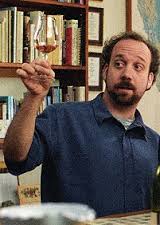
It’s been documented over and over how the 2004 movie “Sideways” wrecked Merlot sales and sent Pinot Noir sales skyrocketing. The truth of the matter is a little less dramatic. Those descriptions were always overstated, but certainly true.

Actor Paul Giamatti as "Miles," Sideways

Actor Paul Giamatti as “Miles,” Sideways

Up until that fun little movie when Miles uttered, “I’m not drinking any ******* Merlot” the grape was one of the nation’s favorites. It was the biggest selling wine in America in 2000. Nielsen statistics showed Merlot consistently holding around 14 percent of overall U.S. wine sales. Merlot even out sold Cabernet in 2001. Pinot Noir was really just a blip on the map.

Grape Sense LogoAfter the movie Merlot sales dipped, not as dramatically as you may have heard described but dropped nonetheless. According to 2013 statistics Chardonnay remains the grape of choice at 13 percent, Cabernet at 12 percent, then comes revenge of Merlot at 9 percent. Pinot Noir has certainly picked up market share now at 7.5 percent of U.S. Sales. Pinot Grigio and Muscato are surprisingly also in the top five in sales.

But we’re talking Merlot here people. There was a drop, after Sideways was released Merlot sales dropped two percent.

Alviso, spoke at the 2014 Wine Bloggers Conference.

Alviso, spoke at the 2014 Wine Bloggers Conference.

“After Sideways the market got focused,” said Merlot maven P.J. Alviso, Director of Estate Viticulture for Duckhorn vineyards in Napa. “We had to develop a tolerance for no bad wine and there was a lot of it out there. The market was flooded with bad Merlot.”

It might surprise the Pinot-sniffing, Merlot-bashing wine snobs or wine snob wannabes that Merlot is the most widely planted grape in the world at 720,000 acres!

As some might expect, France plants the most Merlot at nearly a quarter a million acres. The wonderful wine blends of Saint Emilion are dominated by Merlot. More surprising, perhaps, is that Italy is the number-two Merlot producer at 93,000 acres compared to the 55,000 acres in the U.S.

Merlot is believed to date back to 1748 in Bordeaux France. The word comes from the French word “merle,’ which means “blackbird.” The grape is genetically linked to Cabernet France and a sibling to Cabernet and Carmenere.

What do you get in a Merlot? The better question is what should you get from good Merlot? The textbook characteristics are black cherry, plum, olive, cedar, blackberry, currant, dark chocolate, cocoa, peppers, and an earthiness.

Merlot of the late 1990s and early part of this century were often flabby, thin wines or terribly out of balance. Many were musty to the taste and unfocused. That’s just not the case any longer.

Growers like Alviso believe Napa has some of the world’s best terroir for growing the grape. “Merlot is relatively easy to grow and that’s why so much is planted,” he said, “but it’s not easy to make great wine.”

You can find Merlot from many different states and parts of the world. Washington winemakers are making great Merlot wine and Merlot blends. If you want to try stunning Merlot at a stunning price for some folks, pick up a Napa Rutherford Hill or Duckhorn Vineyard Merlot. If you want something light with classic Merlot flavors, see if you can find a Northern Michigan cool-climate Merlot.

It’s time to drink some ******* Merlot!

Share this:

  • Click to share on X (Opens in new window) X
  • Click to share on Facebook (Opens in new window) Facebook
  • More
  • Click to share on LinkedIn (Opens in new window) LinkedIn
  • Click to email a link to a friend (Opens in new window) Email
Like Loading...

Newspaper Column’s 7th Year Begins

21 Tuesday Oct 2014

Posted by Howard in Newspaper Column 2014, Uncategorized

≈ 2 Comments

Six years ago Grape Sense was born for the love of wine and love of column writing. Today’s column is the anniversary.

It seemed unlikely in October 2008 that the column would reach more than 20 newspapers. Just as unlikely was adding a regional magazine and contributing stories to a national online wine magazine. It seemed crazy to imagine wine travel to Paso Robles and Mendocino, CA., to learn more about wine. That was followed by travel to France not once but three times in 2012 to learn about Languedoc, Bordeaux, and Chablis wines.

Grape Sense LogoSo forgive the personal reflection. But there have been some clear trends learned through six years of wine writing which are helpful to the target audience. Grape Sense No.1 (this is No. 155) started with this: “I hope to offer a little wine education to those who may drink some wine and would like to take a step up without paying the big bucks. I will write about types of wine and specific wines.”

That focus hasn’t varied much through the years though the price point sneaks a bit upwards on occasion. But what has the journey yielded to benefit value wine consumers?

People want to learn more about wine. Statistics galore from varied sources document Americans are drinking more wine. Wine consumers want to know more about the wine basics than ever before.

Not all great U.S. wine has to come from California, Washington, or Oregon. And this remains one of the biggest misconceptions in the wine industry. New York’s Finger Lakes, Virginia, and Northern Michigan deserve a spot on your table.

Indiana has some great wineries as do other Midwestern states. Unfortunately, the wine industry boom has led to winery growth but many enter the business for the wrong reasons. A winery is a small, agriculture business. Running a winery is farming, chemistry, labor, marketing, and sales. Finding success isn’t easy for most new wineries in the Hoosier state or any non-traditional wine producing region.

There are great wineries in Indiana and those spots have been detailed in Grape Sense on many occasions. By the way, there is no better time for a drive to Southern Indiana wineries than the fall.

Many wine drinkers are still afraid to try new things. When visiting a wine shop, instead of the market or local liquor store, pick up a bottle of Argentinian Malbec or Carmenere from Chile. Wine novices should try the great Rhone grapes of France grown there or in California’s central coastal region. Those Rhone grapes are Syrah, Grenache, and Mourvedre. Those grapes together and alone make great red wines.

Maybe the most important advice is to have fun with wine. Get a group of friends together and blind taste a Cabernet, Merlot, and Syrah and see who can correctly identify each grape. The price point doesn’t matter. Or have a big party and have each couple bring two bottles of wine. One bottle of each is open and tasted blind. At the end of the tasting everyone votes for the best wine of the event and the winner takes home that extra bottle of each wine!

Most of all, thank you. Thank you for reading Grape Sense for six years.

Howard W. Hewitt, Crawfordsville, IN., writes about value wine every other week for more than 20 Midwestern newspapers. You can reach him at: hewitthoward@gmail.com

Share this:

  • Click to share on X (Opens in new window) X
  • Click to share on Facebook (Opens in new window) Facebook
  • More
  • Click to share on LinkedIn (Opens in new window) LinkedIn
  • Click to email a link to a friend (Opens in new window) Email
Like Loading...

Rose’ Growth; Vineyard Harvest Time

30 Tuesday Sep 2014

Posted by Howard in France, Newspaper Column 2014, Oregon

≈ Leave a comment

Tags

Don Crank, Provence Rosé, Rose', Willamette Valley Vineyards

Long-time Grape Sense readers know of my passion for dry rosé. The latest numbers show more and more Americans are enjoying the dry pink passion.

Grape Sense LogoThe Nielsen growth statistics have been rather astounding the past few years. The last reporting period covered May 2013 to May of this year showed 20 percent growth in volume of imported Provence Rosé. If that’s not impressive enough, consider mid-summer sales ending June 21 for the previous 52 weeks showing an incredible 55 percent growth in Rosé imports.

But anecdotally I’ve witnessed growth beyond the French sales. At least two of the more prominent Indianapolis-area wine shops had a considerably larger rosé selection this summer than previous years.

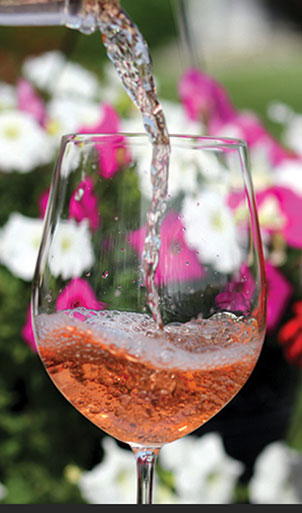
RoseloresDuring summer trips to Oregon and California it certainly appeared more wineries were designating precious grapes for their first or second vintage of dry rosé.

So if you haven’t tried dry Rose, what are you missing? Rosé hits just the right spot between dry white and red wines. It may be the most flexible wine in your wine rack. You can enjoy rosé with a very wide range of meals well beyond reds and whites. It’s also the best sipper in the wine rack for those evenings of small bites and a glass of wine.

My other personal favorite wine is Pinot Noir and particularly Oregon Pinot. It’s always interesting to talk to winemakers and get their take on what’s happening in the vineyard this time of year. I met Don Crank, Willamette Valley Vineyards winemaker, a couple of years ago at the Indy International Wine Competition.

“The winemaking and vineyard team and I are now working around the clock to bring in fruit from our three estate vineyards,” Crank said of the on-going fall harvest. “The grapes have reached optimal ripeness from the evenly warm vintage, and have retained their naturally bright acidity from the cool nights. What sets 2014 apart from other warm weathered years is we didn’t experience heat spikes in the vineyard, sending the grapes into sun-shock. Instead, the fruit is healthy and near-perfection.”

Crank picks Pinot Noir and Chardonnay first to make his ‘traditional-method’ sparkling wine.

Don Crank

Don Crank

“The grapes were pressed immediately to avoid picking up color or tannin from the skins and are now fermenting. We will bottle this wine after some time in barrel, and then inoculate for its secondary fermentation, which creates the sparkle.”

Harvest time is always chaotic in any wine region. It’s a little extra chaotic this fall in Napa after the Aug. 24 earthquake. The estimated losses have constantly been upgraded to nearly $80 million.

You can support some of the hardest hit wineries by going online and buying wine. Look for Robert Baile, Page Cellars, Laird, and Yates Family Winery. There are many more but those are smaller operations which can really use your wine shopping dollars.

Share this:

  • Click to share on X (Opens in new window) X
  • Click to share on Facebook (Opens in new window) Facebook
  • More
  • Click to share on LinkedIn (Opens in new window) LinkedIn
  • Click to email a link to a friend (Opens in new window) Email
Like Loading...

A Few Wine Tips Worth Repeating

30 Tuesday Sep 2014

Posted by Howard in Gizmos & Wine Gadgets, Newspaper Column 2014

≈ Leave a comment

Tags

chilling wine, wine glasses, Wine storage

Every now and then I get asked how I come up with ideas after more than 150 columns. Actually some of the best ideas have come from readers across the Midwest. Today’s column is an example of that. It seems lately I’ve been asked a lot of ‘wine basics’ questions.

Grape Sense LogoSo a list of suggestions, guidance, and ideas that may help you enjoy wine even more seemed like a good idea for this Grape Sense outing. You can find list after list available in wine books and the internet but I’ve selected some I think are most helpful.

Wine storage – Keep your wine in a dark, moderate temperature to cool spot. Ever wonder why wine comes in dark bottles? Light will break down the chemical structure of the wine. Buy a simple wine rack. They’re easy to find in most any home store. Keep it away from heat and away from direct sunshine or bright light and you should be fine. Never store wine on top of a refrigerator or near a heat source.

iStock_two-wine-glassesWine glasses – You can find wine glasses at Wal Mart or Target. You can also spend close to $100 apiece for Riedel crystal wine stems. But the best and least expensive advice is to buy two different kinds of glasses. Buy a big bowl wine glass for your red wines and a smaller glass for your white wines. It took me a long time but it makes a difference.

If you have advanced to wines which are a little more complex and expensive, then you can look to different shapes and better stemware. If you are getting serious about your wine, Riedel (and other companies) offer crystal wine glasses at a number of price points.

Washing wine glasses – You might say, huh? It’s important to clean your wine glasses thoroughly immediately after using them. Use mild dish soap sparingly, rinse thoroughly, and dry immediately. The slightest residue can affect the taste of your next glass of wine.

Wine Ratings – Ratings are one of the most controversial topics in oenophile circles. They are meant to be a guideline. If you buy highly-rated wines and like them, then the ratings are useful to you. I’d recommend you take advice from your local wine shop owner. Then when you return, tell them what you like and didn’t like.

Value wine – You like wine and want to enjoy it more often but don’t like the price of better wines? Go abroad! There are good U.S. made value wines. But if you look at South American wines, Spanish wines, and French Rhone wines, you’ll find some great bottles in the $9-$15 range.

wine-snobRestaurant wine – Unless you’re fabulously wealthy, buying a bottle of wine in a restaurant is seldom a bargain. Restaurant wines are often marked up 100 percent or more. I will order a glass of wine in a nice restaurant, but usually refuse to pay $50 for a bottle I know costs $22.

Chilling wine – There is more advice on wine temperature than you can sort out. Put a white wine in your refrigerator for an hour or less. For a lighter-style red wine, I’d open the bottle and chill about 10-15 minutes before serving. One old adage rings true, most white is served too cold and most red too warm.

It would take all of the pages of this newspaper for a comprehensive list. If you have a specific question, drop me a line at the email address below. If I don’t have a good answer, I’ll find one for you.

Share this:

  • Click to share on X (Opens in new window) X
  • Click to share on Facebook (Opens in new window) Facebook
  • More
  • Click to share on LinkedIn (Opens in new window) LinkedIn
  • Click to email a link to a friend (Opens in new window) Email
Like Loading...

Indiana Vineyards Took Vortex Hit

15 Monday Sep 2014

Posted by Howard in Indiana, Newspaper Column 2014

≈ Leave a comment

Tags

Bernie Parker, Bruce Bordelon, Creekbend vineyards, Indiana Uplands, Oliver Winery, Purdue University, Ted Huber

Creekbend vineyard vines in renewal.

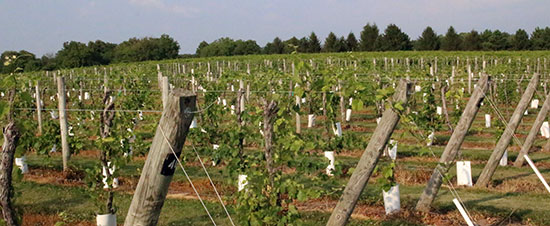
Creekbend vineyard vines in renewal.

When most Hoosiers think of weather problems and crops it’s cornfields that come to mind. But the winter cold is the big issue of 2014 for farmers of a different type – vineyard managers.

Grape Sense LogoThe frigid cold of early 2014 damaged up to 25 percent of the state’s grape crop, according to Purdue’s Bruce Bordelon. “It’s very widespread in the northern part of the state,” he said. “From the Bloomington/Columbus line and north the damage is pretty severe.”

The extreme cold temperatures damaged the vine structure in many vineyards. “So a lot of us are retraining vines from the ground up,” Bordelon explained. What that means to those with the cold weather issues is that sections of the vineyard restarted may be out of production for two years. “We’ll have a light crop next year,” Bordelon said. “There should be a partial crop in two years then back to full production in 2017.”

Oliver's Parker

Oliver’s Parker

One of the hardest hit vineyards was the state’s second largest at Oliver Winery. The Creekbend Vineyard just west of Oliver’s tasting room on Hwy. 37 suffered damage to 20-25 percent of its vines, according to vineyard manager Bernie Parker. “We’ll be making less than half of the Creekbend (label) but Creekbend is only about three percent of our total production. There is an economic impact because we’re still having to put in the same effort in the vineyard to re-grow these vines. It may take more effort.”

Parker had to restart 9,000 of 36,000 vines in the 54 acre vineyard. The largest portion of the Oliver wines though are produced from grapes purchased to produce their signature and popular sweet wines. The higher-end Creekbend wines are grown in their vineyard. The bulk of that vineyard is planted in Chambourcin, Traminette, Vignoles, Chardonel, and other typical Indiana wine grapes.

BruceOthers who suffered damage may have been able to recover a crop with good vineyard practices. “Grapes are an amazing plant in their ability to produce fruit,” Bordelon said. “We always adjust the production through pruning and cluster thinning. We usually have way more fruit than we really need. With some of these (grape) varieties, with lighter pruning, we’ll still be able to have close to a full crop.”

Down south Ted Huber saw little damage in his vineyards atop the Ohio River Valley hilltops. We’re probably going to pull off an 85-90 percent grape crop,” Huber said. We had a little bit of minor damage in one vineyard so by choice we decided to do a renewal on it. It still had one-third to a half crop on it anyway, but it just made a lot of sense to take it out of production.”

Huber has the state’s largest vineyard but is the second biggest wine producer. Oliver is by far the state’s biggest wine producer with the second largest vineyard. Oliver buys the fruit for much of its 300,000 case production. Approximately half of the Oliver total production is the popular sweet wines.

Share this:

  • Click to share on X (Opens in new window) X
  • Click to share on Facebook (Opens in new window) Facebook
  • More
  • Click to share on LinkedIn (Opens in new window) LinkedIn
  • Click to email a link to a friend (Opens in new window) Email
Like Loading...

The Best Cab from Your Market Shelf?

28 Thursday Aug 2014

Posted by Howard in California, Newspaper Column 2014

≈ 1 Comment

Tags

Bello Vineyards, Bogle, Cabernet, Robert Mondavi

Summer time is grilling time and there is not a better part of the year for some charcoal fire and beef!

If you’re a wine person that means you need a bottle of Cabernet. Now, Zinfandel, Merlot, Syrah, Petit Syrah, and more could match with your roasted beast. But nothing says summer like a great rib eye and a bottle of the king of grapes, Cabernet Sauvignon.

Grape Sense LogoBut what if you’re on a budget? Or maybe you just don’t have the palate or inclination to splurge on an expensive bottle of wine. Never fear, your faithful wine columnist and his Wine Dudes are here to help.

Yellowtail, Mondavi, Fetzer, Beringer, and Bogle wines can be found on most grocery store shelves and many wine shops and liquor stores. These wines ranged from $6.99 to $11.99. Those labels represent some of the biggest – and some would argue the best – in value wine.

My wine buddies got together recently to determine the best of the lot. All four wine drinkers are pretty serious about their vino and took the task seriously. I purchased five bottles of wine from a local Kroger and then bagged them. Another of the wine guys mixed the bottles up and then everyone picked up a number at random and stuck it on a bottle. So no one knew what we were tasting – we took notes.

We had a great time and great discussion about wine. But, to borrow a phrase, I wanted to kick it up a notch. So I added a sixth wine that was a $100 bottle of Bello Family Vineyards 2008 Napa Cabernet. That bottle was also wrapped, and randomly numbered.

The first task was to pick out the $100 bottle. I had told the guys I was including one and would never do that again if I repeat the exercise. Two of the four were able to pick out the $100 bottle rather easily. As I recall, the other two had the expensive bottle as their second pick.

The moral to that story is even experienced palates can be wrong or confused.

But what about the under-$12-value Cabs? All five wines were 2012 Cabernets. Keep in mind most had a little bit of Merlot, Malbec, Petit Verdot or whatever in the blend but were at least 75 percent Cabernet.

There was unanimous agreement that none of us cared if we ever tasted the value Yellowtail or Fetzer Cab ever again. Ever!

We probably disagreed the most on the Beringer Cab. The group loved it and hated it. That put it in the middle for us in the number-three slot. The Beringer needed time out of the bottle and just kept improving. Two of the group hated it, I think it’s a very solid choice for the price point.

The top two were Mondavi Central Coast Cabernet and Bogle Cab. The Mondavi was smooth with a balanced mouth feel and good Cabernet characteristics. Seldom do wines at this price point have much of a finish – or a pleasant one – and that was true with this bottle. A serious wine drinker would call the Mondavi thin. Still for a beginning wine drinker, I’d offer up the value Mondavi line to any one with great confidence.

So that means our winner was Bogle, but it was close. The Bogle could be described much like the Mondavi but with a little bit ‘more’ across the palate. The fruit was a bit bigger, there were secondary characteristics, mild tannins and a satisfying finish.

I’d call the Bogle pretty darn good juice. Try it with a rib eye.

Share this:

  • Click to share on X (Opens in new window) X
  • Click to share on Facebook (Opens in new window) Facebook
  • More
  • Click to share on LinkedIn (Opens in new window) LinkedIn
  • Click to email a link to a friend (Opens in new window) Email
Like Loading...
← Older posts

Recent Posts

  • The other White Burgundy – Aligote!
  • Some wine gifting advice
  • Real Indiana Chardonnay?

Categories

Enter your email address to follow this blog and receive notifications of new posts by email.

Join 2,063 other subscribers

Photography

Friend Me On …

Archives

My Summer With Lymphoma: Lymphoma - My Third Battle 2024

Scan: ‘No Evidence of Disease Progression’

That’s a nice way to say it. Yesterday, Mar 27, I had a PET scan (nuclear medicine) to look for cancer after my 60-day CAR-T cancer treatment. The headine here was the second sentence in the technical and detailed report. I really didn’t need to read anymore. I am cancer free and now can wear […]

Fighting Disappointment, Wrist Pain

Most of the past week or so has been dealing with the disappointment. I ended my 60 days of restrictions from cell therapy cancer treatment. But I learned a severely broken wrist can even out do cancer. I fell Sunday Feb. 19 in an icy parking lot. I had surgery the following Wednesday then Thursday, […]

Blog at WordPress.com.

  • Subscribe Subscribed
    • Howard W. Hewitt
    • Join 87 other subscribers
    • Already have a WordPress.com account? Log in now.
    • Howard W. Hewitt
    • Subscribe Subscribed
    • Sign up
    • Log in
    • Report this content
    • View site in Reader
    • Manage subscriptions
    • Collapse this bar
 

Loading Comments...
 

    %d